Digital farming platforms : driving the evolution of agriculture

digital farming technology

Table of contents

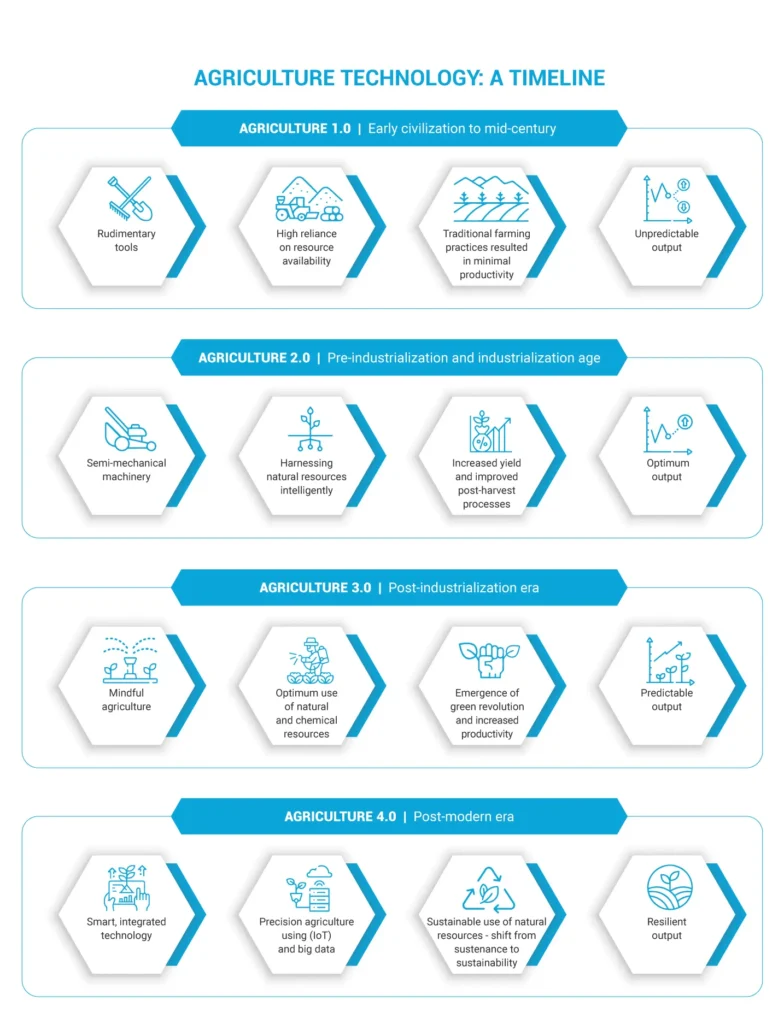
Agriculture is an occupation as old as human civilization, and it has continuously evolved to become a USD 12,000+ billion industry today. Its progress – from Agriculture 1.0 to Agriculture 4.0 – has shaped communities, economies, and human ambition itself.
The wheat, barley, and rice sown in ancient Mesopotamia and China have since paved the way for communities worldwide to take crop science to the next level. From farming methods to crop modification and agricultural equipment to farming intelligence, every aspect of agriculture continues to undergo metamorphosis.
The Evolution of Digital Agriculture

Why farmers need digital platforms for agriculture now

Today, we stand at a critical juncture in the history of agriculture, food production, and human sustenance. The post-industrialization approach to agriculture and other industries (which has seen an unabashed use of harmful chemicals and polluting practices) has resulted in significant environmental damage and accelerated climate change.

If left unattended, the preceding volume-focused approach to agriculture is estimated to impact both crop yields and livelihoods significantly. According to experts, crop yields will drop anywhere between 2% and 7% for the top four global crops (wheat, rice, maize, and soybean) with rise in temperature. With one-third of the world’s agricultural supply delivered by smallholder farmers, such yield reduction will threaten the existence of these already marginalized communities.

What are digital farming platforms and why do they need urgent adoption?

Digital agriculture is an approach to smart farming that ensures optimum yield quality and quantity while using natural resources such as water and agrochemicals intelligently; it does so by leveraging smart technologies. This presents a potent opportunity when we consider that by 2050, we will need to produce 70% more food while accessing only 5% more farms, as per UNFAO (United Nations Food and Agriculture Organization) estimates.
Clearly, the key to provisioning for the increased food demand is not scale (with limited land availability) but efficiency. Technology is the biggest enabler in the process and that makes digital transformation an imperative for growth.

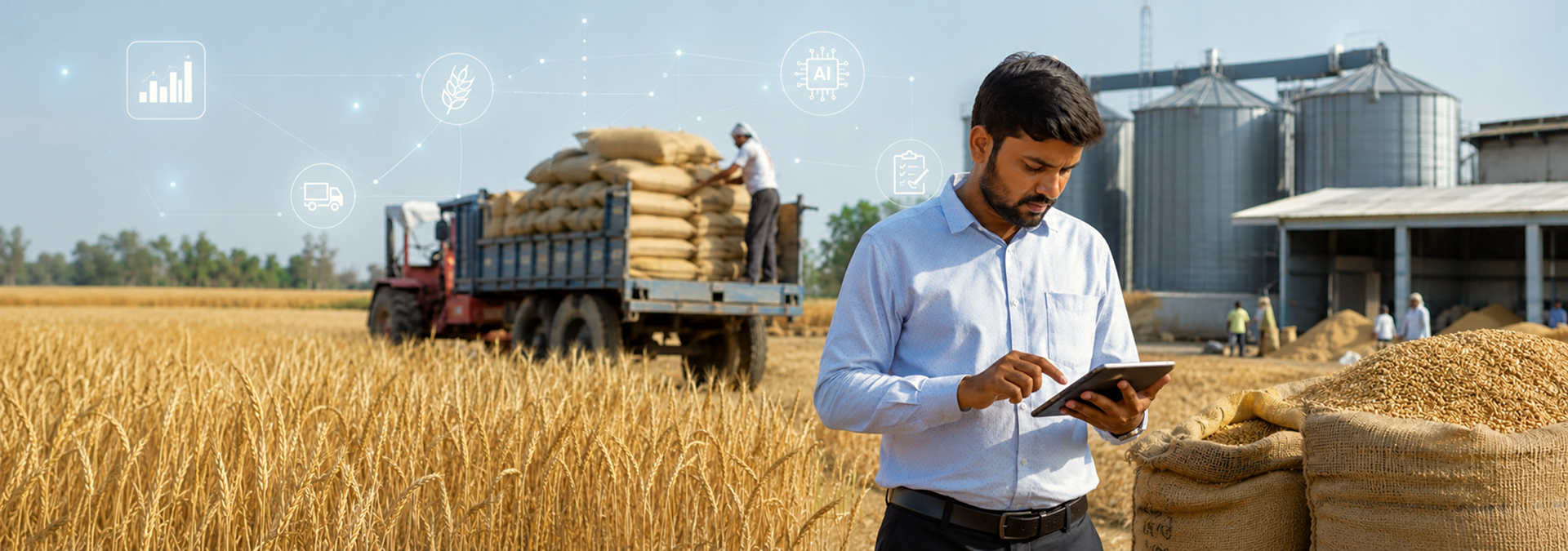
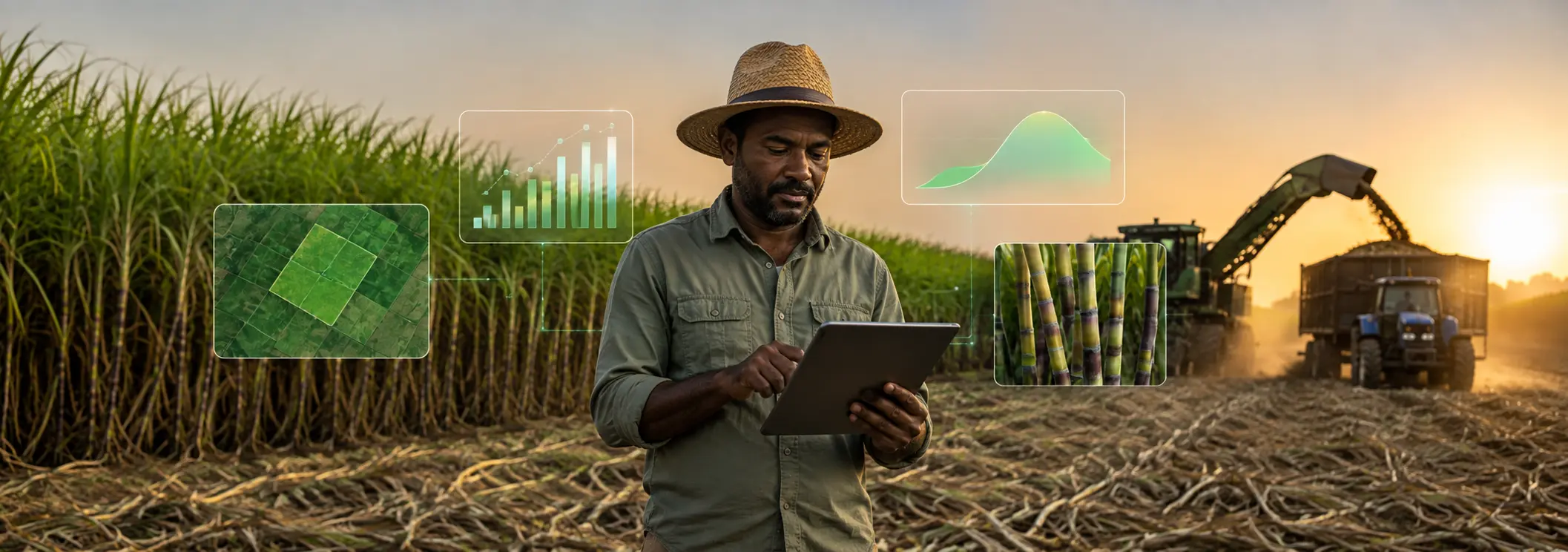
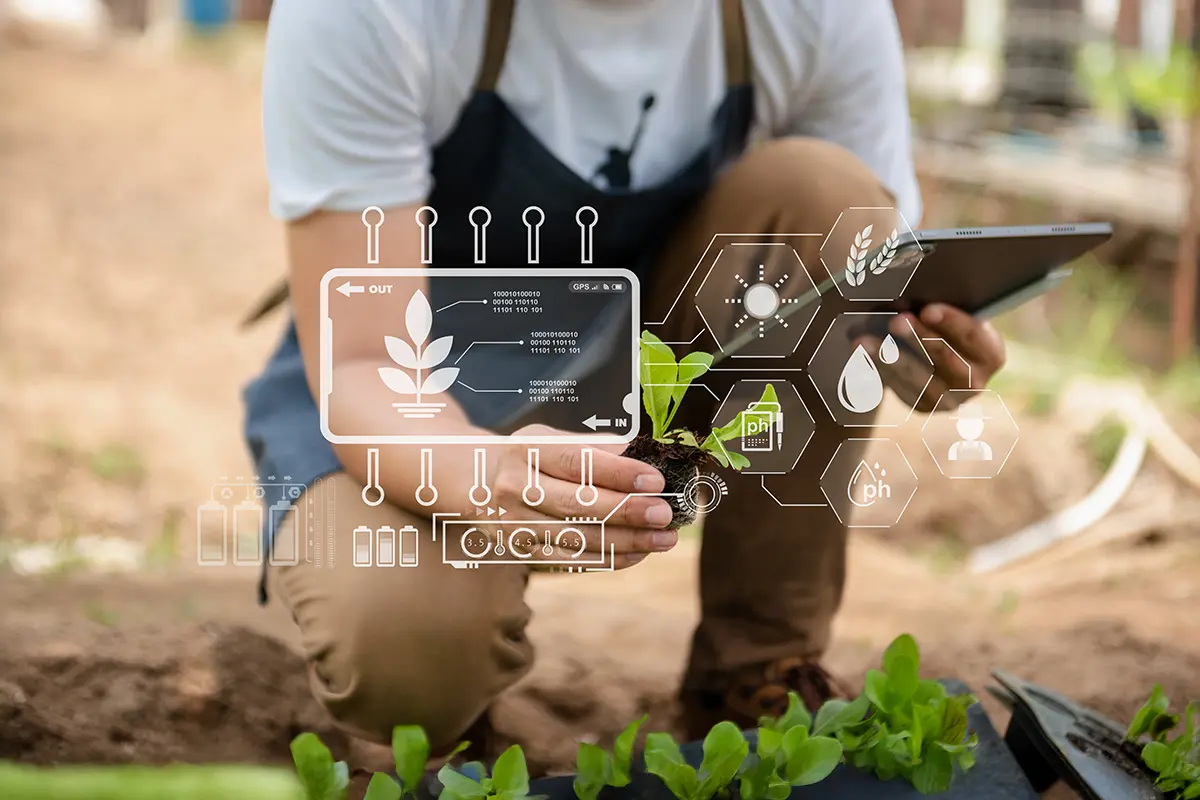
Digital agriculture leverages geospatial and cloud-based farming solutions such as geotagging, Machine Learning, and Artificial Intelligence in agriculture to enable all stakeholders across the value-chain to get comprehensive, real-time intelligence. Accordingly, they can work to ensure better implementation of Package of Practices (PoP), make timely interventions in case of emerging threats, and continually optimize to ensure sustainable operations and best-in-class yields at every stage paving way to climate-resilient agriculture.

Key features of digital platforms for agriculture

How digital farming platforms deliver real-time on-ground intelligence

On-ground intelligence This collects real-time data from farms and operational units by leveraging technologies such as geotagging, satellite monitoring of crops, remote sensors, Internet of Things (IoT) sensors, and agricultural robots (Agribot) and industrial robots. As a result, stakeholders can immediately discover and address any change in weather prediction, crop ecosystems, and the produce environment.

Advanced data analytics: The engine of digital platforms for farmers

Understanding the fast-changing agricultural landscape can be overwhelming. This holds true for both companies with farms across geographies as well as smallholder farmers. Digital agriculture platforms use crop- and variety-specific historical intelligence along with real-time data to present critical patterns and actionable data. They do so by deploying technologies such as AI and ML along with blockchain and big data, making the entire process effortless.

Seamless information integration across digital farming platforms

Timely, comprehensive information is the key to improved agricultural practices and operations. Digital agriculture tools make this doable owing to their cloud computing and data integration capabilities. A unified dashboard serves as a single source of truth for all stakeholders. Additionally, tools offer critical updates to urban and rural users on their preferred channels, bridging information gaps between different stakeholders.

Short-to mid-term benefits of digital platforms for farmers

Implementing digital agriculture is fast proving to be beneficial across industries, geographies, and farm sizes. It enables accurate monitoring, optimized operations, and well-informed management. End-to-end digitization allows industry stakeholders to improve yield quality and volumes while meeting cost efficiency and sustainability goals. From farming and seed companies to food processing and Agri-input companies, organizations are increasingly deploying digitization of their farms and value chains. In fact, government bodies, non-profit organizations, and lending entities are also leveraging such tools to make decisions that benefit everyone.
Some of the key areas in which digital agriculture is making an impact include
These benefits become critical when we consider the challenges that lie ahead for agriculture and related industries. There is increasing awareness and demand for produce grown responsibly by consumers and policymakers. However, growing such produce without compromising on costs and volumes calls for a new revolution – Agriculture 4.0.

Those leading this change are already reaping the benefits. For instance, a global leader in the seed industry adopted digital agriculture across 32 countries using Cropin’s real-time intelligence. Digitalization enabled the company to positively impact seed quality and yield for more than 2500 varieties; it has set new benchmarks in sustainable farming and scalability with digitally trackable standardized operating practices. Click here to download the case study.

The next agricultural age is upon us. And its universal prevalence is inevitable, as proven by history. However, organizations and countries that are quick to leverage it in the most innovative ways will be the ones that experience immense benefits. They will find themselves collaborating with Agri-tech partners to unlock scale in the context of profitable, sustainable farming.

Cropin has leveraged its 12+ years of expertise in the Agri-industry to develop the multi-tenant, scalable, flexible, and intelligent agriculture cloud platform called Cropin Cloud. This enables a rapid and far-reaching digital transformation in the Agri-ecosystem that helps understand risks, maximize revenue, minimize costs, and ensure traceability, predictability, and sustainability.
Frequently asked questions

What types of data can digital farming platforms collect and analyze in real-time?
Digital farming platforms collect soil conditions, moisture levels, nutrient content, weather data, pest and disease occurrences, crop growth metrics, and irrigation patterns. Real-time analysis helps optimize inputs, improve yield, and reduce resource waste.
Digital platforms for agriculture allow farmers to map multiple crops, track growth cycles, and schedule rotations. By analyzing historical data and predictive insights, they suggest rotation plans that preserve soil health and enhance overall farm productivity.
Digital platforms for farmers convert raw data into actionable recommendations for irrigation, fertilization, pest management, and harvesting. This helps farmers make informed, timely decisions rather than relying solely on manual observation.
By capturing production, processing, and distribution data, these platforms ensure complete supply chain traceability. They also support ESG reporting, helping agribusinesses track sustainability, labor practices, and environmental impact.
Modern platforms offer API-based integration with ERP, CRM, and farm management systems, enabling seamless data flow across operational, financial, and agronomic systems for consolidated reporting and planning
These platforms aggregate data across multiple farms and regions, offering portfolio-level dashboards. Benchmarking against historical and regional performance enables agribusinesses to identify high-performing areas, assess risks, and make strategic decisions.

Similar blogs

Scroll to Top
?
?
?