
Agri-food businesses

Brace for impact
Let’s face it, the last few years have really shown us how fragile our global supply chains can be, especially when it comes to food. And it looks like things are only going to get more unpredictable, hitting your bottom line with higher costs, frustrating delays, and just plain shortages. Think about it – the basics of food security, like just having enough and it being good quality, are really under threat, and fresh stuff is the most at risk. Whether it’s a local disaster or a global shock like COVID-19, or even persistent trade tensions, these can potentially cripple the economy. The pandemic was a huge wake-up call. One thing’s clear: ensuring reliable access to safe food amidst these escalating threats is non-negotiable for food systems; it is a fundamental imperative for the resilience of our global food systems.
The why and how of mitigating supply chain disruptions
The most common disruptions in the fodd supply chain are

Climatic

Logistics and infrastructure

Geo-political
conflicts

Trade & regulatory barriers
- Complete visibility at a farm level at any given time point, for data-driven decision-making
- End-to-end traceability to significantly improve productivity and effectively mitigate risks
- AI-powered regional analytics and sourcing intelligence to identify alternate sourcing geographies in direct response to geopolitical sanctions or natural disasters.
Farm-level visibility
End-to-end traceability
AI-powered regional analytics & sourcing smarts
Fresh produce supply chains
Author Bio
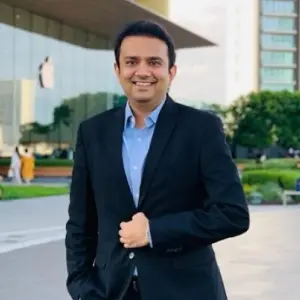
Aditya Shah
Aditya Shah is the Global Director of Strategic Partnerships and Business Head for APAC at Cropin, where he plays a key role in shaping the company’s global growth strategy through innovative collaborations. With over a decade of experience, he has been instrumental in establishing high-impact partnerships with industry giants like Google, Amazon, and Microsoft, bolstering Cropin's technological leadership. Aditya also spearheads strategic collaborations with development organizations such as the Bill & Melinda Gates Foundation and the World Bank to drive positive impact for marginalized farmers. A creative thinker, he passionately advocates for blending attitude, skills, and knowledge to fuel true innovation across the agri-food ecosystem.