

Synopsis:
The Problem: A World Where Traditional Value Chains No Longer Work
Climate Volatility
Fragmented Data & Siloed Systems
Farm data is often inconsistent, manual, or poorly standardized. Enterprises lack a unified, real-time view of what’s happening on fields across regions, making forecasting and decision-making unreliable.
Supply Chain & Geopolitical Uncertainty
Compliance & Sustainability Pressures
Margin & Market Risks
From Platform to Ecosystem: The Strategic Shift
What the Cropin Ecosystem Is and What It Solves
1️. Unified Data Intelligence Across Sources
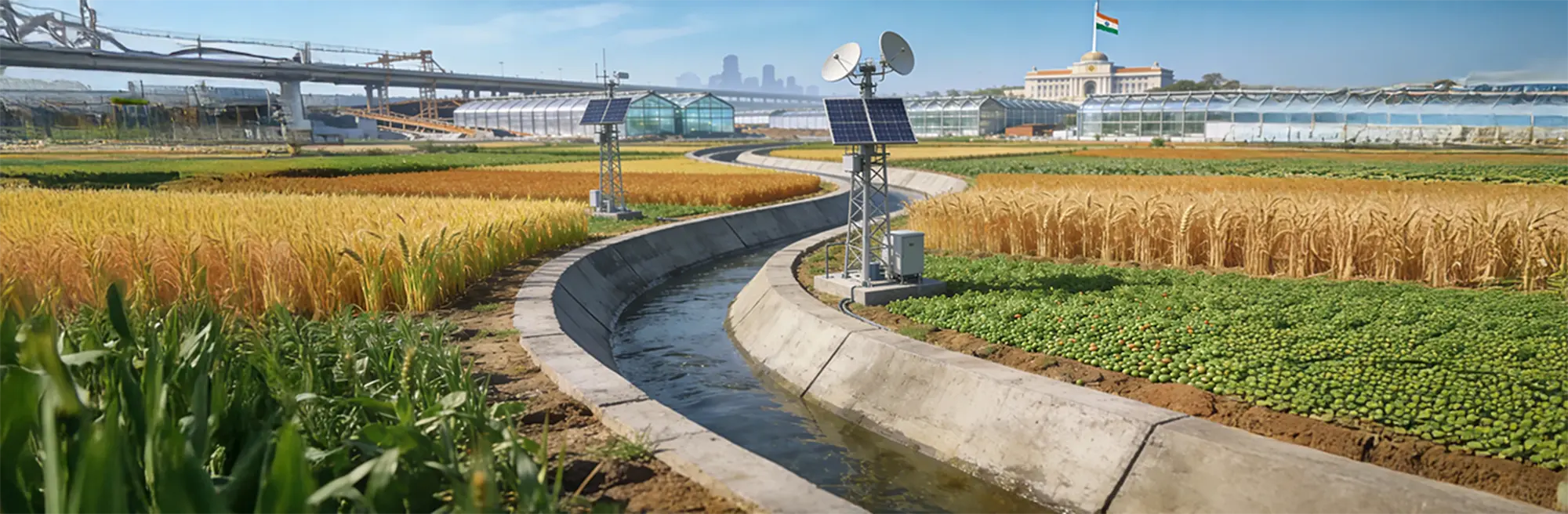
- Satellite & ground data from Planet Labs, Sentinel-2, Landsat, and MODIS, giving enterprises field-level visibility at scale. Clients can choose the satellite provider based on their requirements (frequency, resolution, etc.) and budget.
- IoT, drone imagery & mechanization data for real-time 360° field intelligence.
- Climate and weather models from providers like The Weather Company, Google Weather, ERA5, and Meteomatics to anticipate climate stress, predict pest risks, or yield anomalies.
- Cropin’s own data science and intelligence layer, tuned for over 10,000 crop varieties, crop stages, soil, and environmental conditions. For example, a satellite on its own cannot identify the specific crop it is monitoring. Cropin builds proprietary crop identification models that add this critical layer of intelligence, making satellite-based monitoring both meaningful and efficient.
2. Strategic & Transformation Expertise
3. Digital Integration & Enterprise Scalability
- Wipro and Global HITSS ensure seamless digital integration and scalable deployment across global operations.
- Cropin’s ecosystem integrates supply chain and core enterprise functions with ERPs like SAP, Microsoft Dynamics, and Salesforce, enabling connected workflows from farm to boardroom.
4. Cloud-Native, AI-Powered Predictive Intelligence
- Cloud-enabled scalability
- Advanced AI and generative AI innovations
- Fast, secure analytics at enterprise scale
5. Governance, Impact, and Ethical Alignment
Core Use Cases Enabled by the Ecosystem
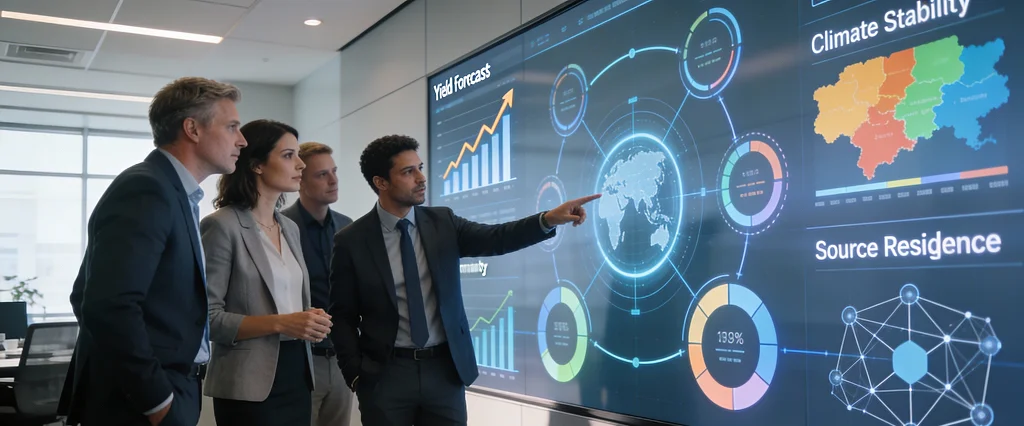
- Accurate yield forecasts across geographies
- Crop health monitoring & disease early warnings
- Smart irrigation and resource optimization
- Surety of supply and procurement planning
- Traceability and compliance reporting
- Risk coverage & access to climate and financial markets
Why Ecosystems Win Over Solo Platforms
Complex Problems Demand Domain Expertise
Faster Time to Value
Scalability and Global Reach
Superior Cost-Effectiveness
Sustainable Innovation & Continuous Improvement
Shared Risk and Shared Success
What This Means for the Future of Food Systems
- Collaboration over isolation
- Integration over siloed systems
- Intelligence over intuition
- Shared expertise over individual effort
Conclusion
Author Bio
Dileep M
Dileep leads Marketing at Cropin, where he drives brand growth and strengthens the company’s positioning across global markets. Over the last four years, he has been instrumental in shaping Cropin’s brand and demand-generation strategies that contribute to customer acquisition. He brings close to two decades of experience in communication, branding, and marketing for enterprise technology companies. With a strong focus on narrative building and strategic brand development, Dileep enables Cropin’s continued global expansion.