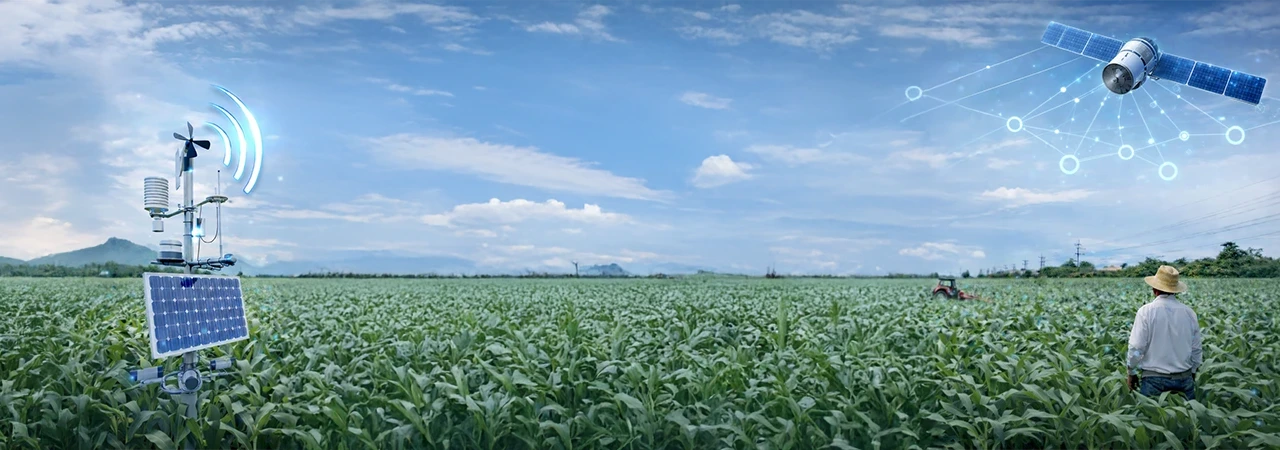

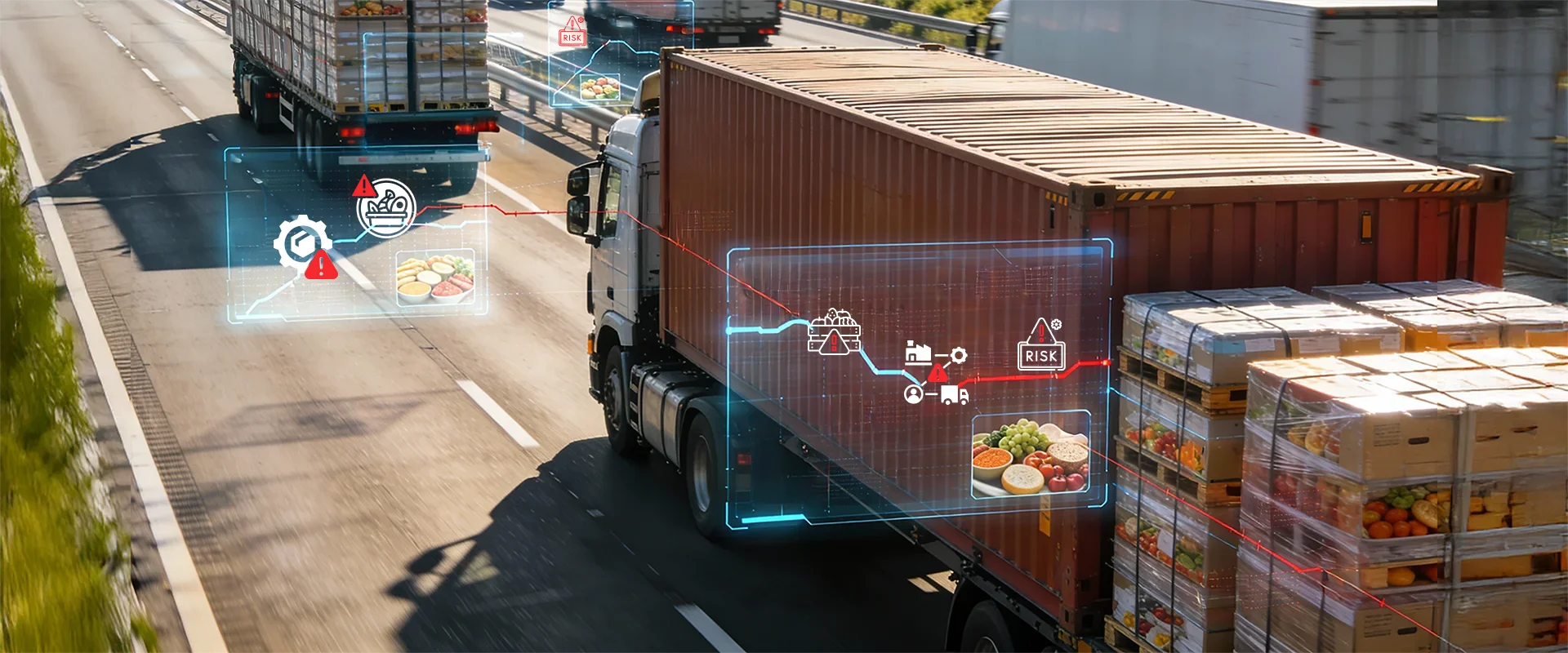
This blog explores the problem, shows how it plays out for CPGs/retail/processors, and lays out a practical, technology-first playbook rooted in Cropin’s capabilities to make supply chains more predictable, resilient, and market-responsive, strengthening overall food supply chain resilience.
Why geopolitics matters to food supply chains quickly
Single-point shockwaves from concentrated production
Companies face mounting risk governance gaps
Policy responses can be blunt and sudden
The direct impact on CPGs, food retail, and processors
When the abstract risks discussed above materialize, they land directly on your shelves and your balance sheet. Here is how geopolitical tension translates into real-world business pain, highlighting the growing need for supply chain risk management:
1. Sourcing volatility & cost spikes
2. Quality and specification risks
3. Logistics and lead-time shocks
4. Regulatory & compliance exposure
5. Strategic overreaction risks
Why technology and Cropin specifically matter now
Core capabilities that map to geopolitical resilience:
Regional Intelligence & risk mapping
In-season yield forecasting
AI/ML models + satellite imagery reduce surprise at harvest by providing early, probabilistic yield forecasts, allowing procurement to plan route, price and margin hedges sooner. Cropin’s white papers show measurable improvements in in-season yield accuracy.
Traceability & compliance
Scenario modelling for procurement
Practical use-cases for CPGs, retailers & processors
1. Early alternative-sourcing playbooks
2. Hedged procurement windows
3. Verified sustainability & origin claims
4. Buyer-funded resilience programs
A short, evidence-based example
What procurement teams should do immediately an operational checklist
- Embed geopolitical monitoring into weekly procurement reviews (use BCG-style risk dashboards).
- Map concentration risk for top commodities (by spend & volume) and identify top 2 alternative geographies per commodity using Regional Intelligence.
- Pilot in-season yield forecasts on major produce to run staged purchase simulations.
- Establish fast-onboarding provenance templates and pre-qualified suppliers to avoid friction during rapid sourcing shifts.
- Design buyer-led resilience programs (finance for irrigation/drip, seed/inputs) in chosen alternate regions to grow buffer capacity over 2–4 seasons for overall sustainable supply chain management.
Limits, governance and risk notes
- Data ≠ policy. Even if agriculture saves water or volume is available in alternate regions, legal and trade frameworks ultimately control cross-border flows. Cropin’s intelligence shortens decision cycles but cannot substitute for trade diplomacy.
- Adoption time. Building alternate supply regions takes seasons, forecasts help prioritize where to invest, but on-ground scaling still requires farmer engagement, finance and procurement commitments.
- Avoid over-localization. As the OECD warns, aggressive reshoring can backfire economically; the smarter move is diversification and visibility, not complete onshoring, for effective supply chain management and sustainability.
Conclusion
If you’d like, we can help you with a tailored pilot: identify two at-risk commodities in your portfolio, map three alternate source regions, and run a 12-month in-season forecasting pilot that feeds staged procurement actions.
Author Bio
Dileep M
Dileep leads Marketing at Cropin, where he drives brand growth and strengthens the company’s positioning across global markets. Over the last four years, he has been instrumental in shaping Cropin’s brand and demand-generation strategies that contribute to customer acquisition. He brings close to two decades of experience in communication, branding, and marketing for enterprise technology companies. With a strong focus on narrative building and strategic brand development, Dileep enables Cropin’s continued global expansion.