

Synopsis:
What is regenerative agriculture (Regen ag)?
What are the benefits of regenerative agriculture
- Protects and improves soil health, reduces soil erosion
- Safeguards biodiversity and enhances natural habitats
- Aids carbon sequestration – captures & stores atmospheric carbon
- Drives Climate Smart Agriculture to mitigate climate change and improve resilience
- Increases water retention & conservation
- Improves productivity, profitability & thereby the livelihood of farmers
What are the 5 principles of regenerative agriculture
- Maximize productivity
- Restore soil health
- Protect biodiversity
Challenges in the adoption of regenerative agriculture
Top challenges in the adoption of regenerative agriculture are
- Managing the transition risk
- Financing gap related to higher initial costs
- Upskilling is required to gain knowledge & tools
Managing the transition risk
- Yield reduction: When farmers adopt regenerative agriculture, they see an initial drop in crop yields during the first few years. The soil accustomed to synthetic fertilizers takes some time to adjust and rebuild its microbial diversity and nutrient content. This is crucial for long-term health, but regenerative agriculture yields drop in early stages of adoption. Research from Bain and Company shows that it typically takes about four years for profits to recover. After this period, the production is expected to surpass previous levels.
- Higher costs: Like any other change management, the adoption of regenerative agriculture requires strategic upfront investment. There is an increased need for working capital to shift to cover crops, biofertilizers, diversified plantings, etc. Plus, regenerative farming may also require more labor, increasing production costs.
Financial barriers to adoption
Bridging the knowledge gap
How can we accelerate transition to regenerative agriculture?
- Crop-specific knowledge
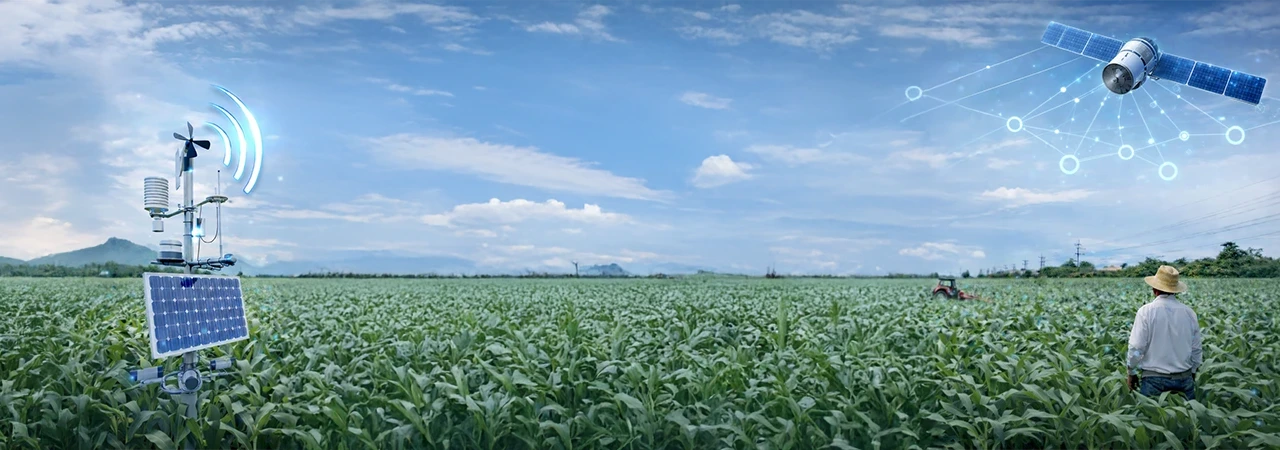
- Near real-time field data from sensors & satellite images
- Data from weather stations
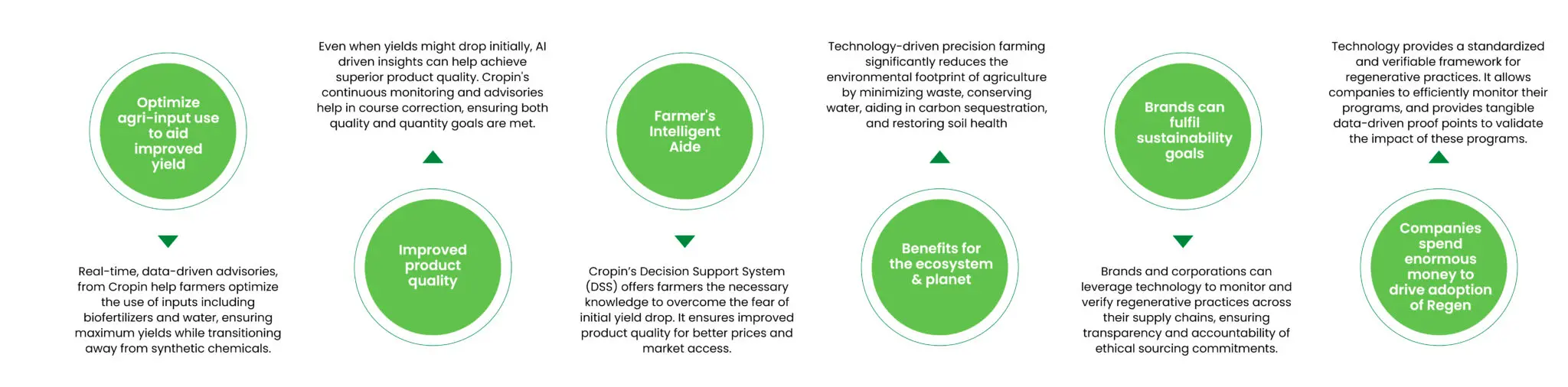
Cropin’s conceptualised AI/ML models derive plot-level intelligence by overlaying multiple datasets. It offers daily plot-specific advisories tailored to the unique soil profile and microclimatic conditions of each farm. With this level of hyper-local insight, farmers can optimize irrigation and input usage, which in turn improves yield and reduces production cost. The support helps farmers to adopt regenerative practices without compromising on revenue. Cropin’s precision and predictive analytics bring in economic viability and scalability to regenerative agriculture, along with its environmental benefits.
Case point: alliance for regenerative agriculture
A resilient future
Frequently asked questions (FAQs)
What is regenerative agriculture (Regen ag)?
What are the key benefits of regenerative agriculture?
Environmental Benefits
- Improves Soil Health: It protects and enriches the soil, leading to less erosion and a healthier foundation for crops.
- Boosts Biodiversity: By enhancing natural habitats, it safeguards biodiversity, creating a more balanced and resilient ecosystem.
- Aids Carbon Sequestration: It helps capture and store carbon from the atmosphere, actively working to combat climate change.
- Increases Water Conservation: The practices improve the soil's ability to retain water, leading to better conservation and drought resistance.
- Increases Productivity and Profitability: Healthier soil and more resilient crops ultimately leads to better yields and, in turn, higher profitability for farmers in the long run.
- Drives Climate Smart Agriculture: It helps farmers mitigate the effects of climate change and build resilience against extreme weather events.
- Increases Brand Image: Businesses can partner with farmers adopting regenerative agriculture for responsible sourcing, enhancing their brand image.
What are the common principles of regenerative agriculture
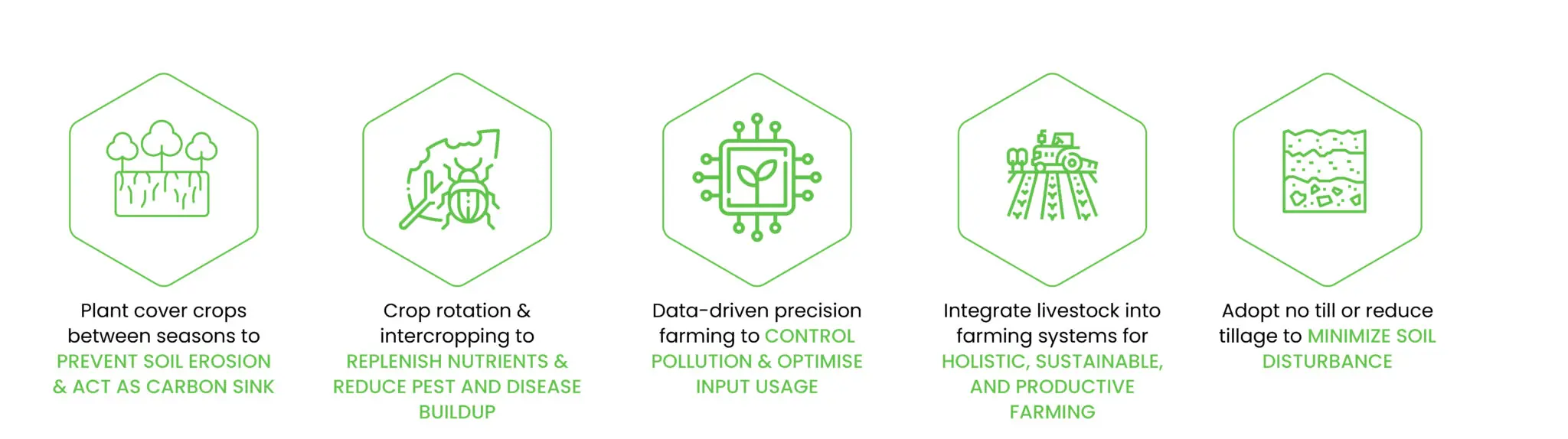
- Adopt no till or reduce tillage to MINIMIZE SOIL DISTURBANCE
- Plant cover crops between seasons to PREVENT SOIL EROSION & ACT AS CARBON SINK
- Crop rotation & intercropping to REPLENISH NUTRIENTS & REDUCE PEST AND DISEASE BUILDUP
- Data-driven precision farming to CONTROL POLLUTION & OPTIMISE INPUT USAGE
- Integrate livestock into farming systems for HOLISTIC, SUSTAINABLE, AND PRODUCTIVE FARMING
- Other less adopted practices include wastewater treatment, renewable energy, and carbon farming
What are the challenges in adopting regenerative agriculture?
How can we accelerate transition to regenerative agriculture?
Author Bio
Prateek Srivastva
Prateek Srivastva is a Vice President at Cropin, a global Agtech leader, bringing over two decades of experience spanning technology, consulting, entrepreneurship, and investment. A seasoned serial entrepreneur, he has successfully established and exited three ventures, including a precision agriculture startup focused on perennial crops across three continents. At Cropin, Prateek is responsible for expanding the company’s presence in the critical EMEA region, managing revenue, investments, and academic partnerships. His extensive expertise in the field has earned him global recognition, with features in esteemed media platforms including Fortune, Forbes, and The Economist.