A Digital Shield for South Asian Farmers from Climate Change
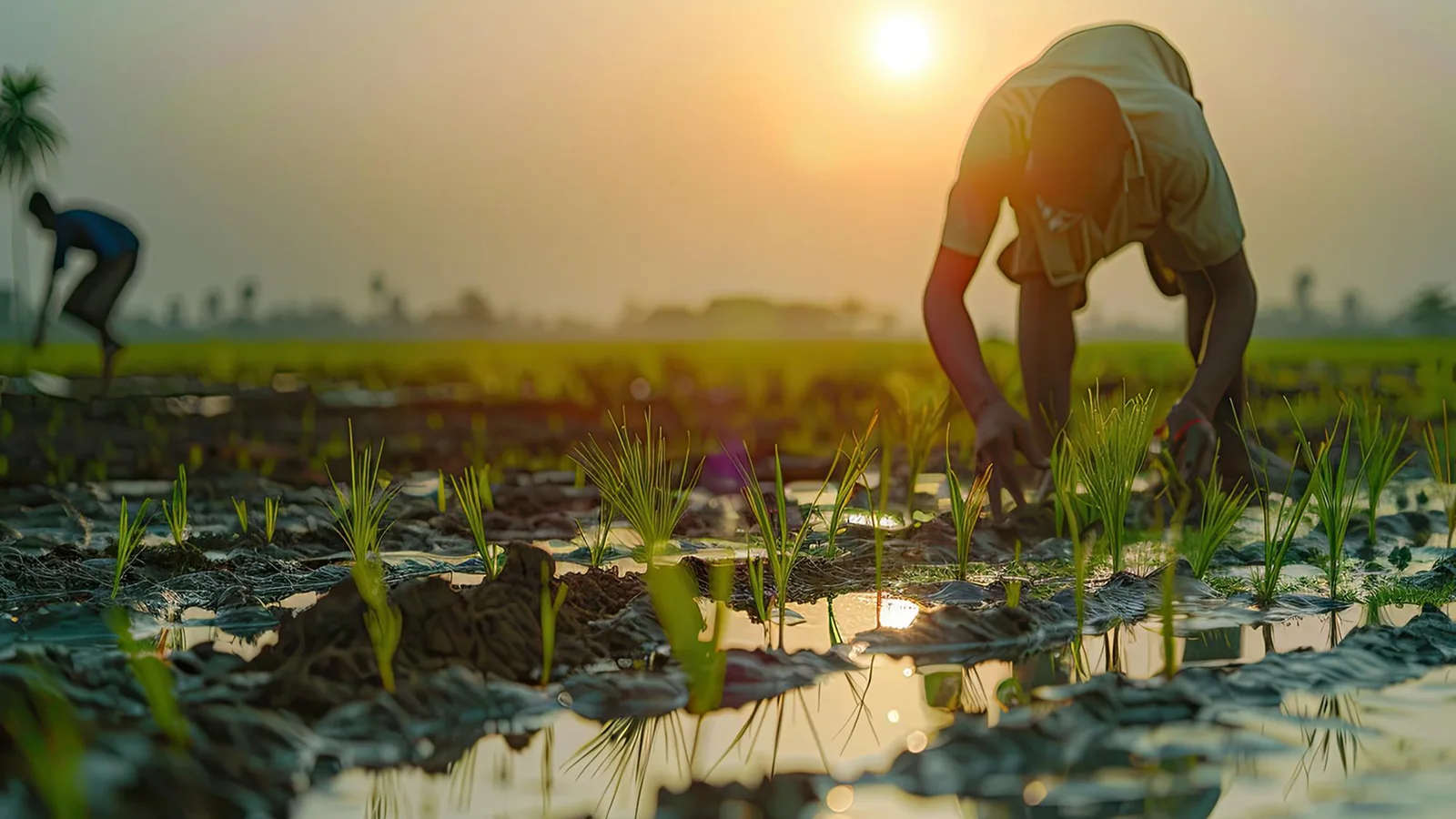
Smallholder farmers in South Asia are the backbone of the region, yet their livelihoods—often resting on tiny, sub-hectare plots—are relentlessly threatened by extreme weather, economic instability, and the increasing burden of climate change. These communities are collectively spending hundreds of billions annually just to cope.
To fight this crisis, the Asian Disaster Preparedness Center (ADPC), a climate resilience champion backed by the World Bank’s iCARE Innovations Fund, stepped in. ADPC’s mission was clear: to find innovative, proven solutions that could empower farmers in Bangladesh and Sri Lanka to adopt climate-resilient practices and mitigate risk. They needed a partner that could deliver data-driven insights and real results at scale.
The Cropin Solution: Smart Farming, Seamless Scale
Cropin, the world’s most advanced AI Platform for Food and Agriculture played a crucial role in the project’s success. Cropin deployed its digital toolkit, including Cropin Grow, to digitize farms and deliver predictive intelligence. The solution built farmer’s trust, digitized farm and farmer data and provided predictive intelligence that prevented loss with curated advisories.
The platform ensured no farmer was left behind, tailoring communication to every user—from smartphone apps for the tech-savvy to SMS alerts and even community whiteboards for those without mobile access. Leveraging proprietary AI, Cropin provided farmers with timely, personalized advisories, acting as their personal weatherman and crop whisperer.
Undeniable Impact: Results from the Pilot
The initial pilot project proved the power of this partnership, driving significant changes in farmer resilience and profitability:
- Empowered farmers 8200+
- Farmer adoption rate 90%
- Yields Increased by 30%
- Crop Loss Reduced by 23%
- Farmer Satisfaction Reached 92%
By providing the right tools and support, Cropin and ADPC are transforming individual lives and building a sustainable, climate-resilient future across South Asia.