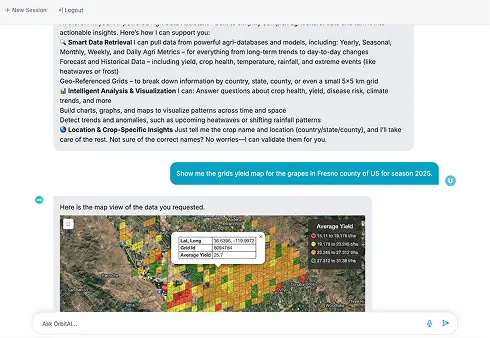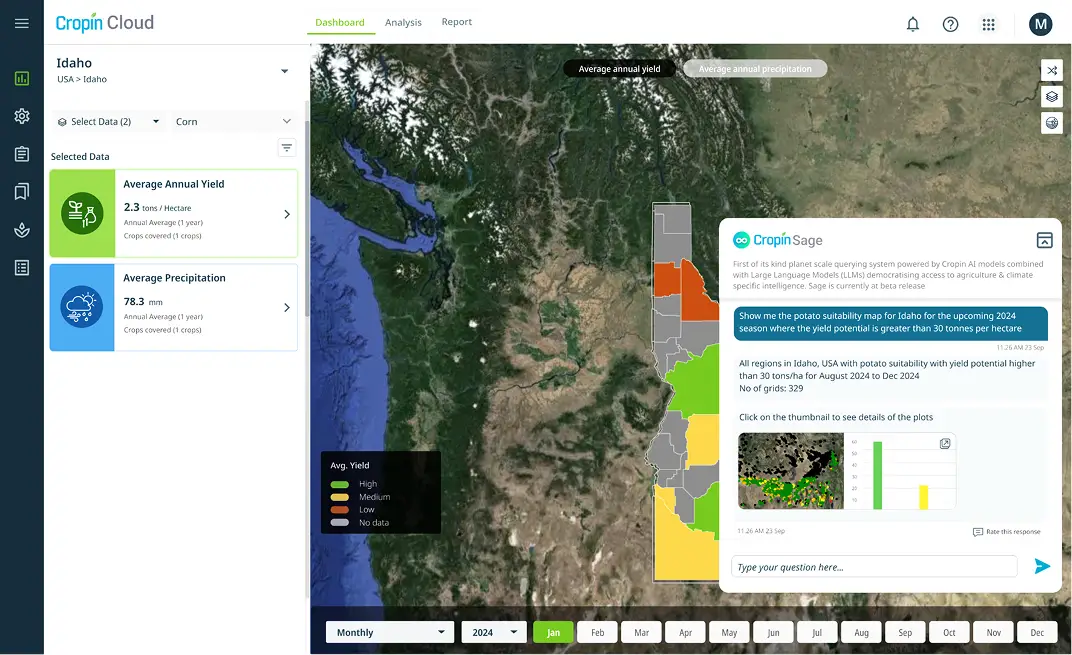























The Cropin Ecosystem: Pioneering the AI-first digital transformation ecosystem.

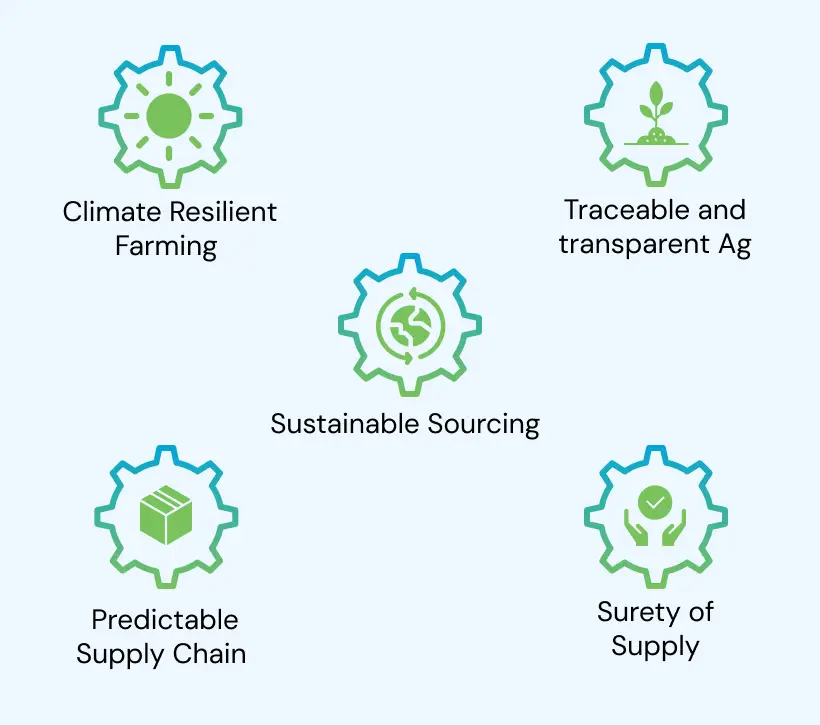
End the era of food system chaos by providing a single, intelligent platform that guarantees surety of supply and builds climate and geopolitical resilience for all stakeholders, today

Gradient+Blur
Gradient+Blur
Mission

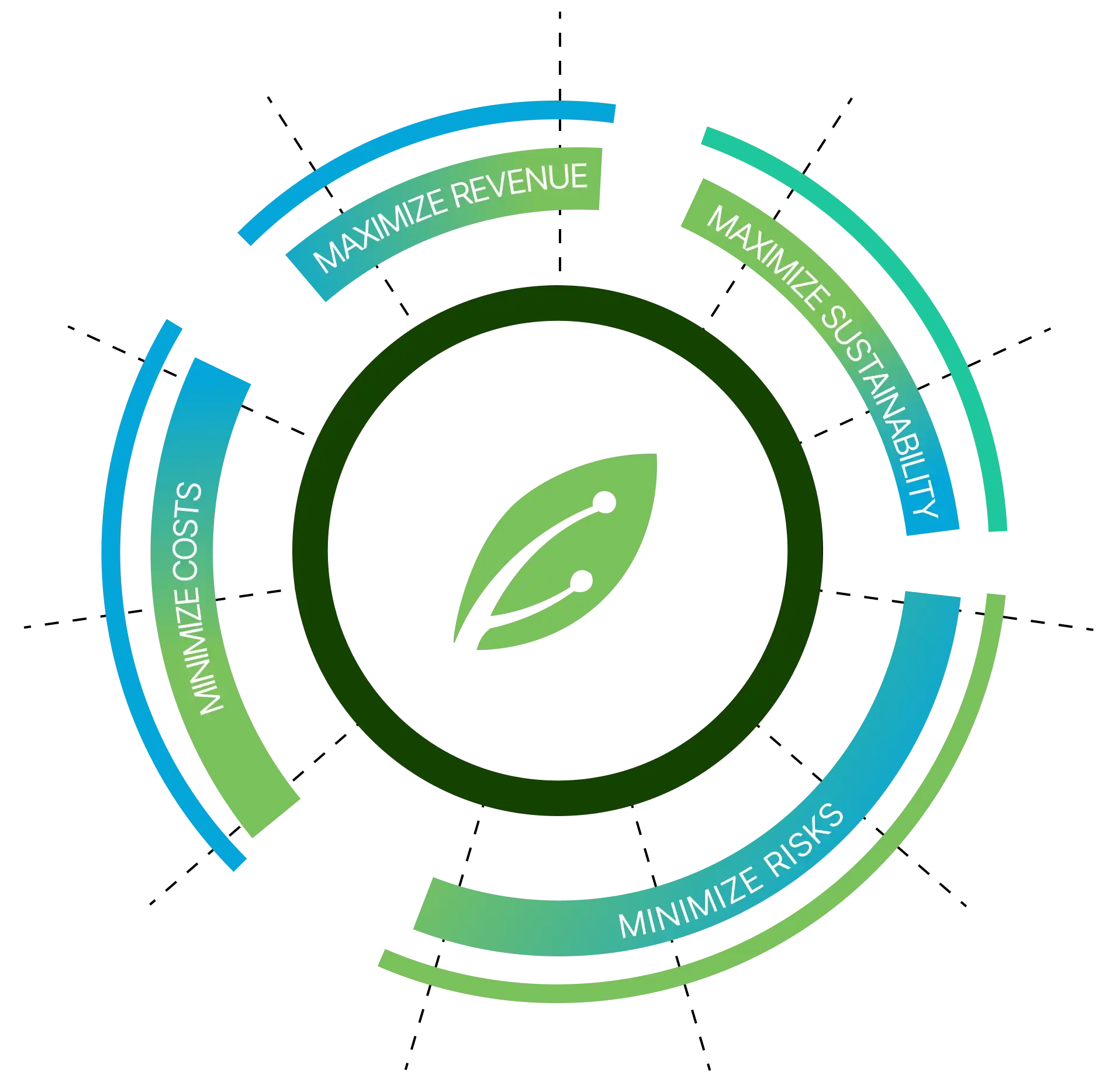
The mission: Risk-proofing the future of food

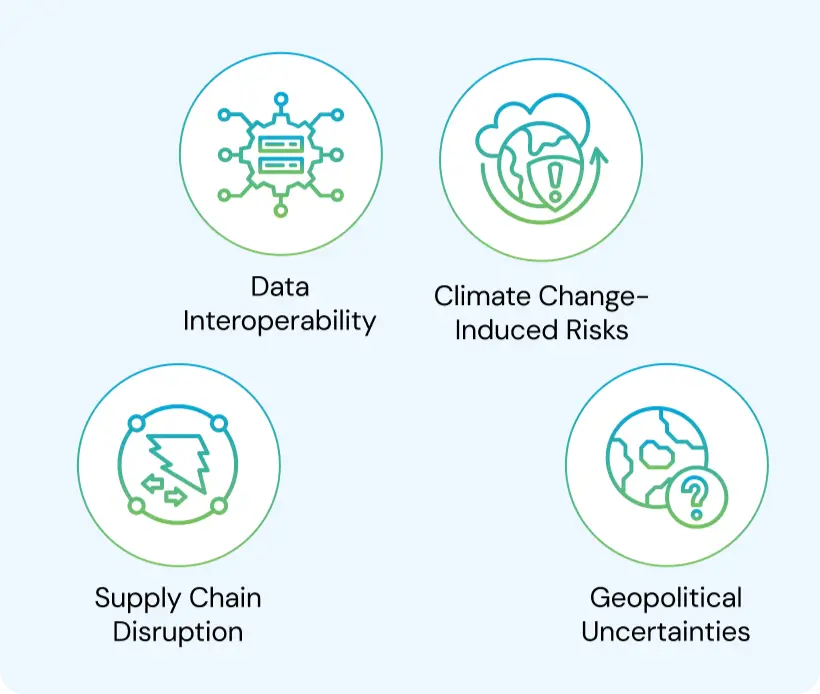
We operate in an era where climate change, geopolitical risks, and unprecedented supply chain disruptions are the new normal. While today’s threats are clear, tomorrow’s are unknown. Our objective is singular and non-negotiable: our customers should never face large-scale business disruptions.

This monumental assembly of global leaders is the strategic answer to this volatility. It is a direct result of deep partnership and a confidence that we can mitigate these challenges through a powerful convergence of expertise.

The Cropin Ecosystem unites multiple pillars of expertise

Gradient+Blur
Gradient+Blur

The Cropin Ecosystem framework

Challenges Addressed

Challenges-Addressed

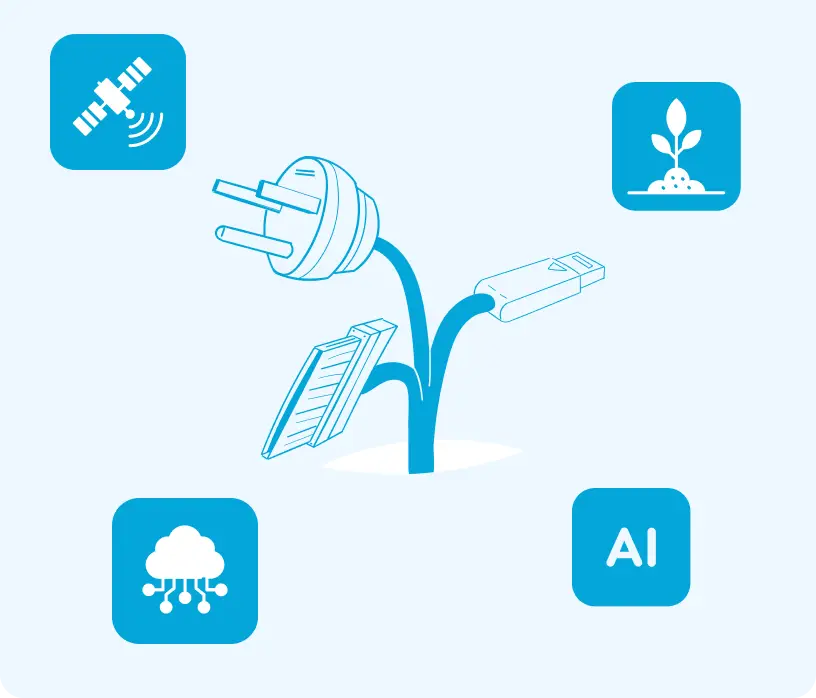
Plug & Play Solution

Plug & Play Solution

Outcome

out - come

Leadership Insights on Building a Resilient Agri-Food Ecosystem

Said Krishna Kumar

Krishna Kumar

Founder and CEO, Cropin

“In a world disrupted by climate and geopolitical challenges, traditional crop value chains and supply chains are no longer sufficient for CPG, retail, and food processing companies. These chains face mounting pressure from climate change, pests, diseases, market fluctuations, and evolving sustainability demands. While industries have embraced technological advances, upstream agriculture has lagged behind. With this ecosystem, we aim to change the rules of the game and create truly 21st-century food systems. The Cropin Ecosystem enables agri-food companies to transform operations with a plug-and-play model in less than six months, demonstrating the power of AI-driven innovation,” said Krishna Kumar, Founder and CEO, Cropin.

Sashikumar Sreedharan

Sashikumar Sreedharan

Managing Director, Google Cloud, India

“Solving complex challenges in agriculture, from climate volatility to supply chain risks, requires a pioneering, ecosystem approach. Cropin’s vision in uniting the industry’s leaders and leveraging the power of Google Cloud and AI enables us to transform data into predictive intelligence, ultimately creating an intelligent, resilient food system and driving sustainable outcomes at scale,” said Sashikumar Sreedharan, Managing Director, Google Cloud, India.

Enabling a truly 21st-century food system

From plot to region: Core use cases enabled by Cropin Ecosystem

Today, thanks to the robust ecosystem we’ve built, our hyper tuned models consistently deliver accuracy levels of 90% or higher.

Surety of Supply

Accurate Yield Estimation

Accurate Yield Estimation

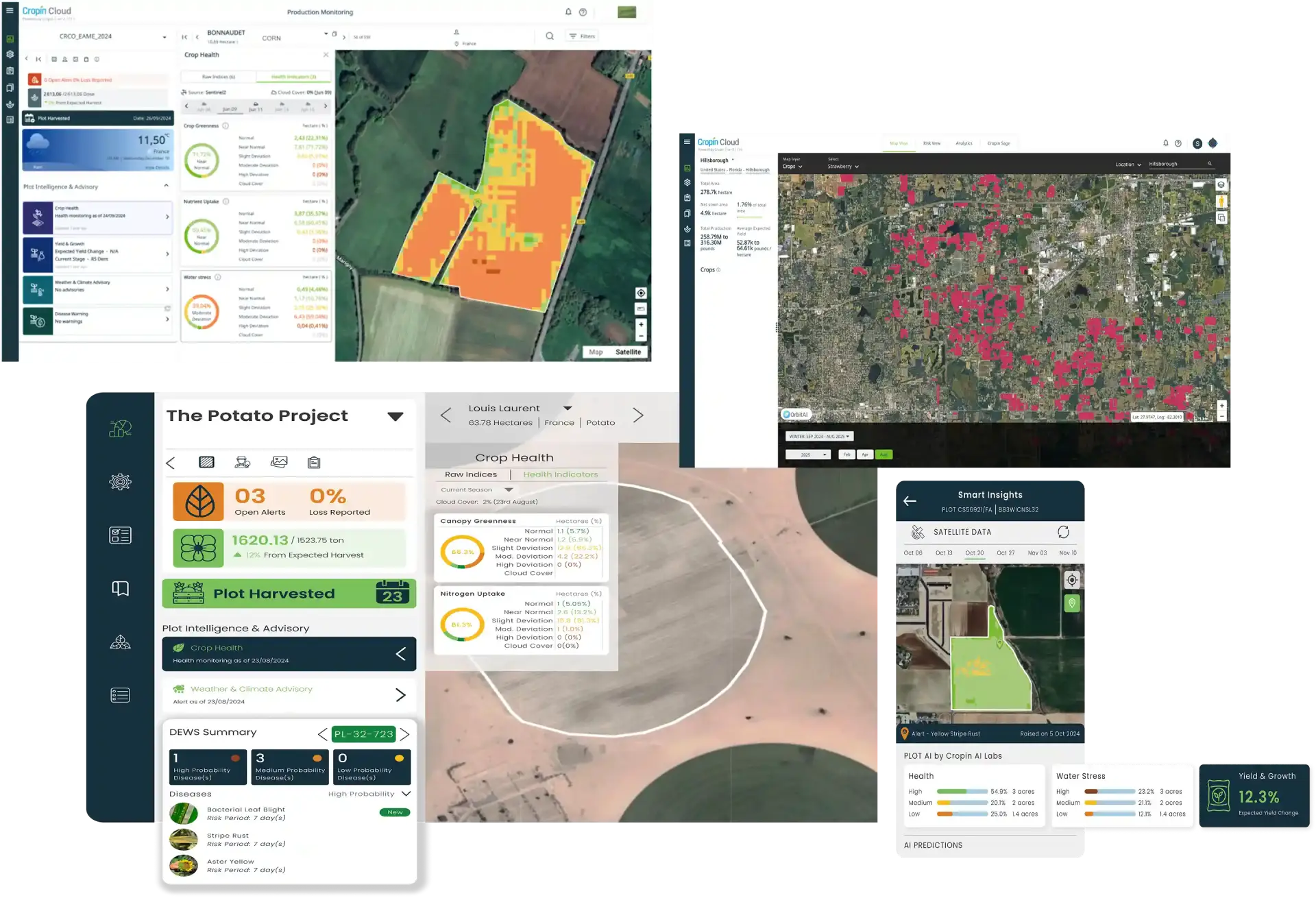
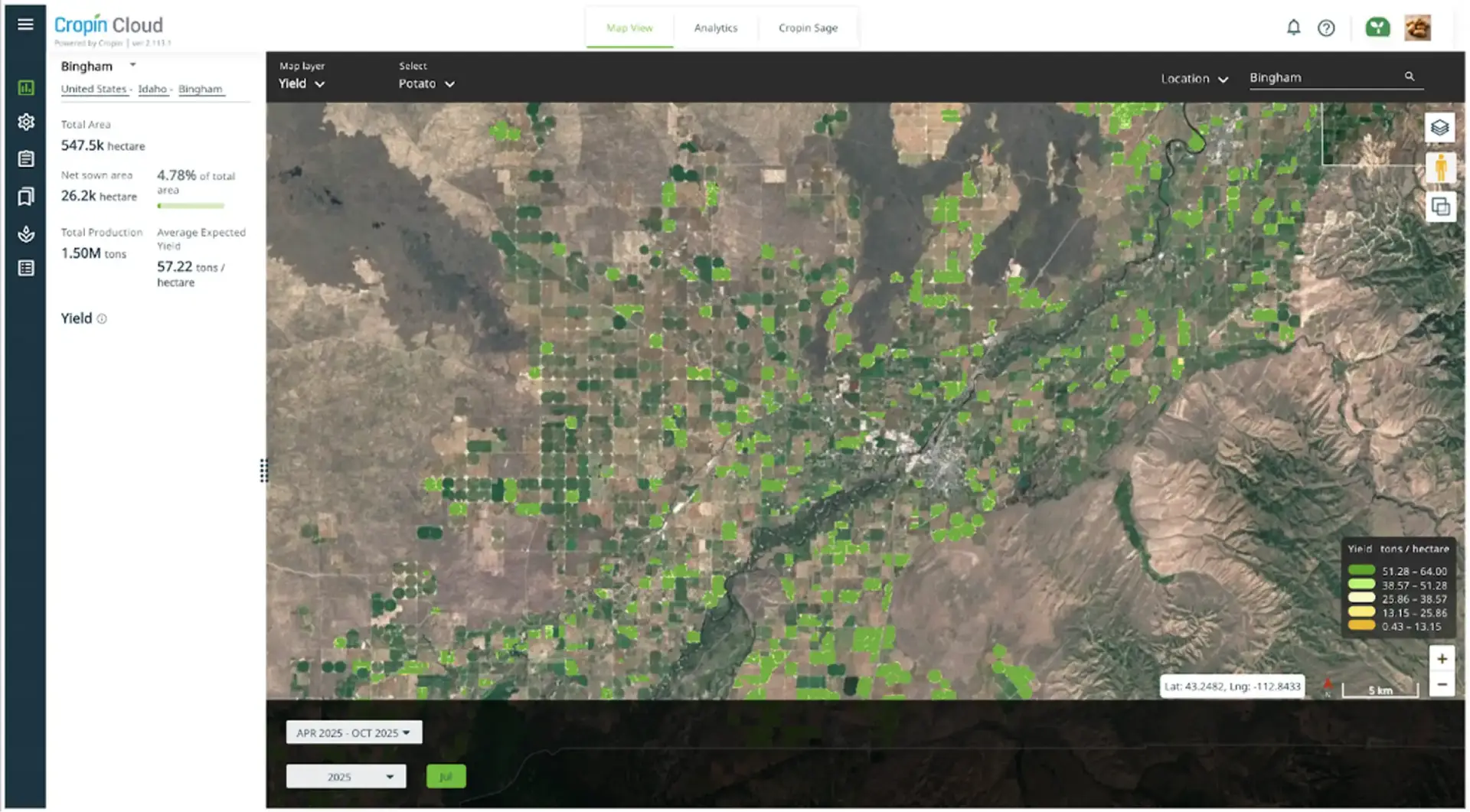
Cropin’s hybrid yield estimation model blends remote sensing and weather intelligence to deliver accurate, plot and regional level yield forecasts well before harvest, enabling agri-food businesses to plan procurement, pricing, and supply with confidence.

Lack of visibility in food production

Crop-Stage-Progression

Crop Stage Progression

Cropin’s Crop Stage and Progression model identifies the current growth stage of a crop, estimates its progression through the lifecycle, and predicts the optimal harvest window, while also assessing the crop’s growth rate at the plot level.

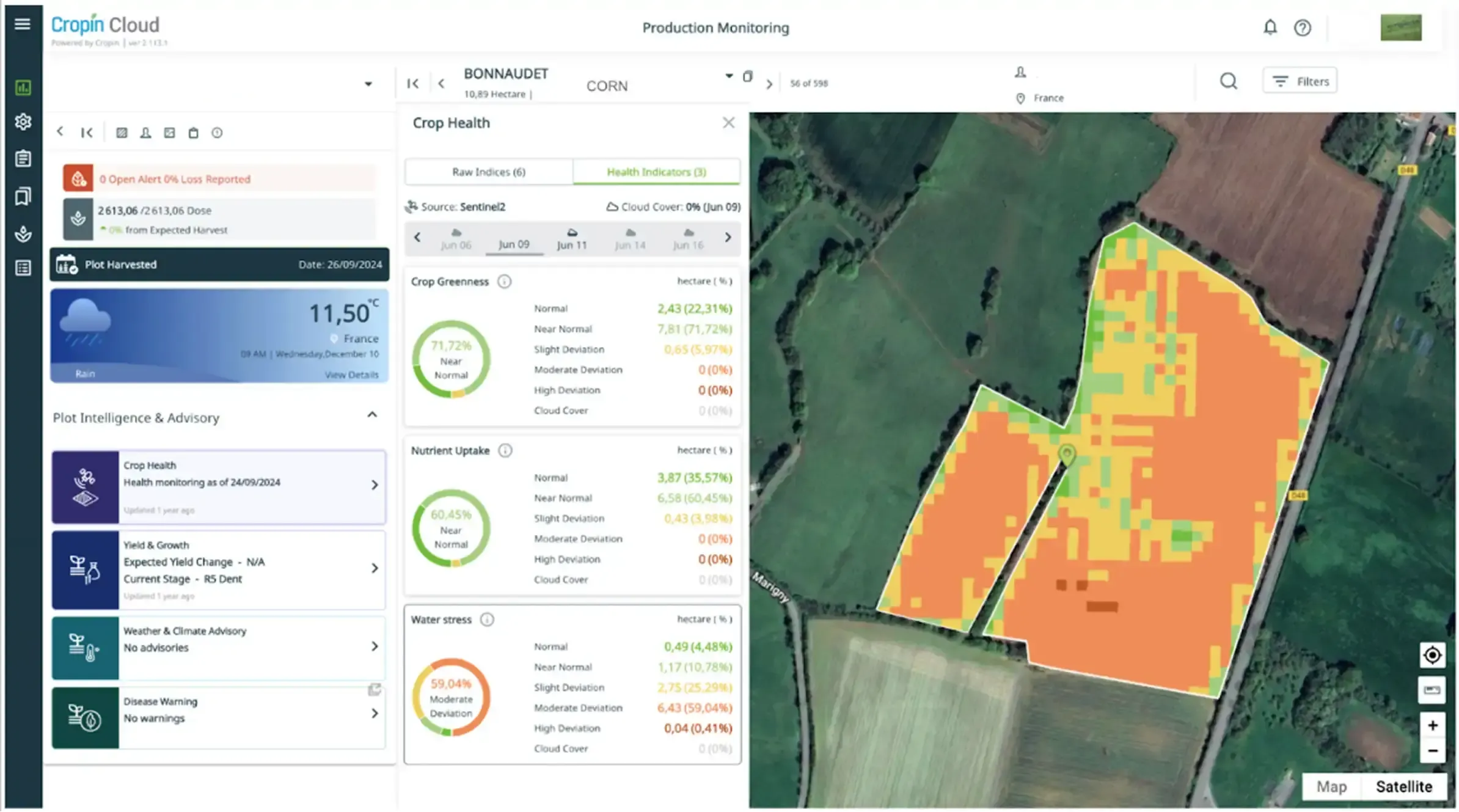
Cropin’s Crop Health model layers proprietary intelligence over raw satellite indices to deliver actionable insights on canopy greenness, nitrogen uptake, and water stress, together providing a comprehensive view of crop health at the plot level.

Our models are hypertuned for specific crops, varieties, and regions to capture local nuances and deliver highly accurate, actionable insights. They also intelligently exclude cloud and haze, ensuring cleaner data and more reliable decisions.

Pests destroy up to 40 percent of global crops and cost $220 billion of losses every year

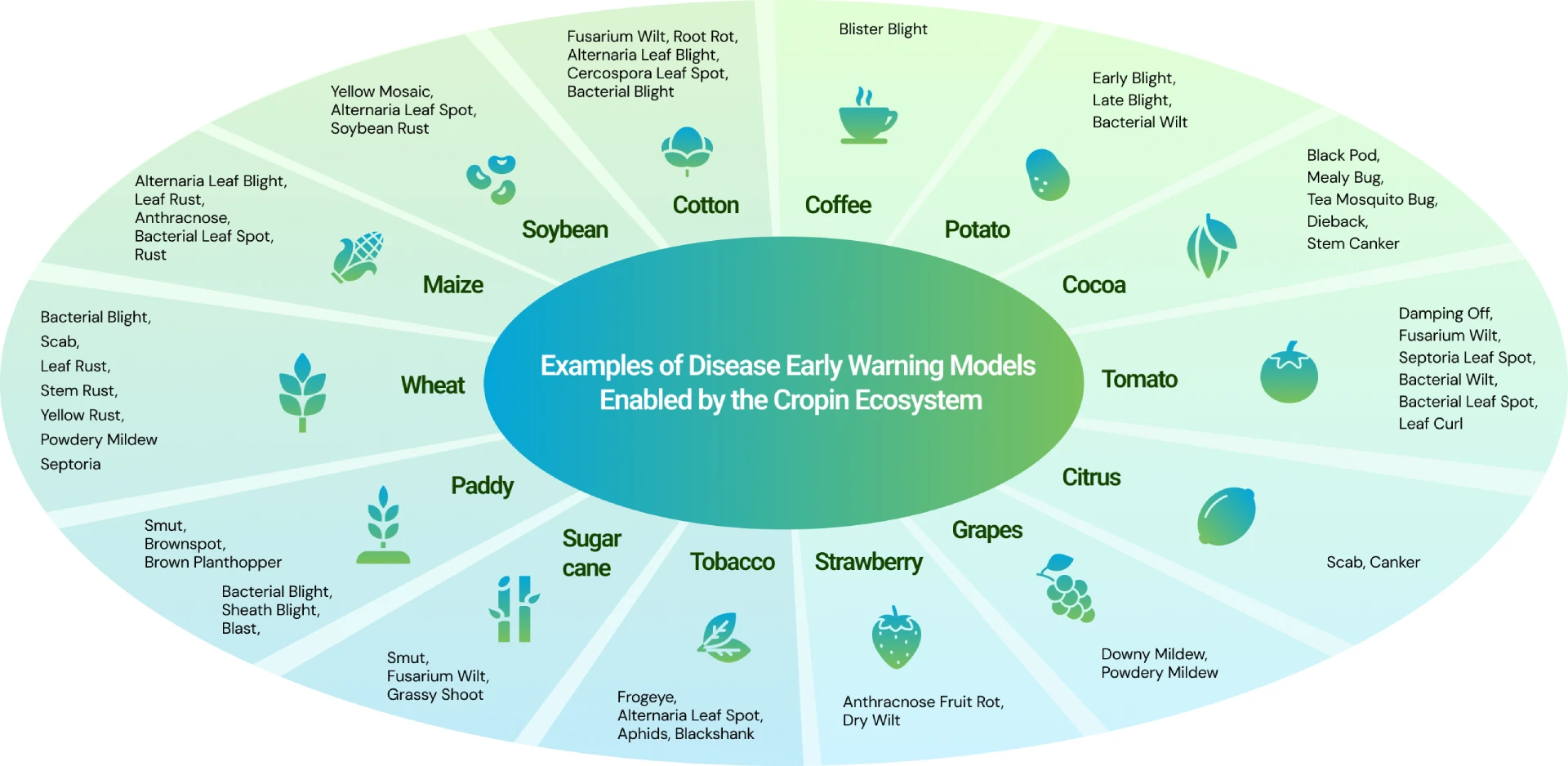
Disease Early Warning

Disease Early Warning

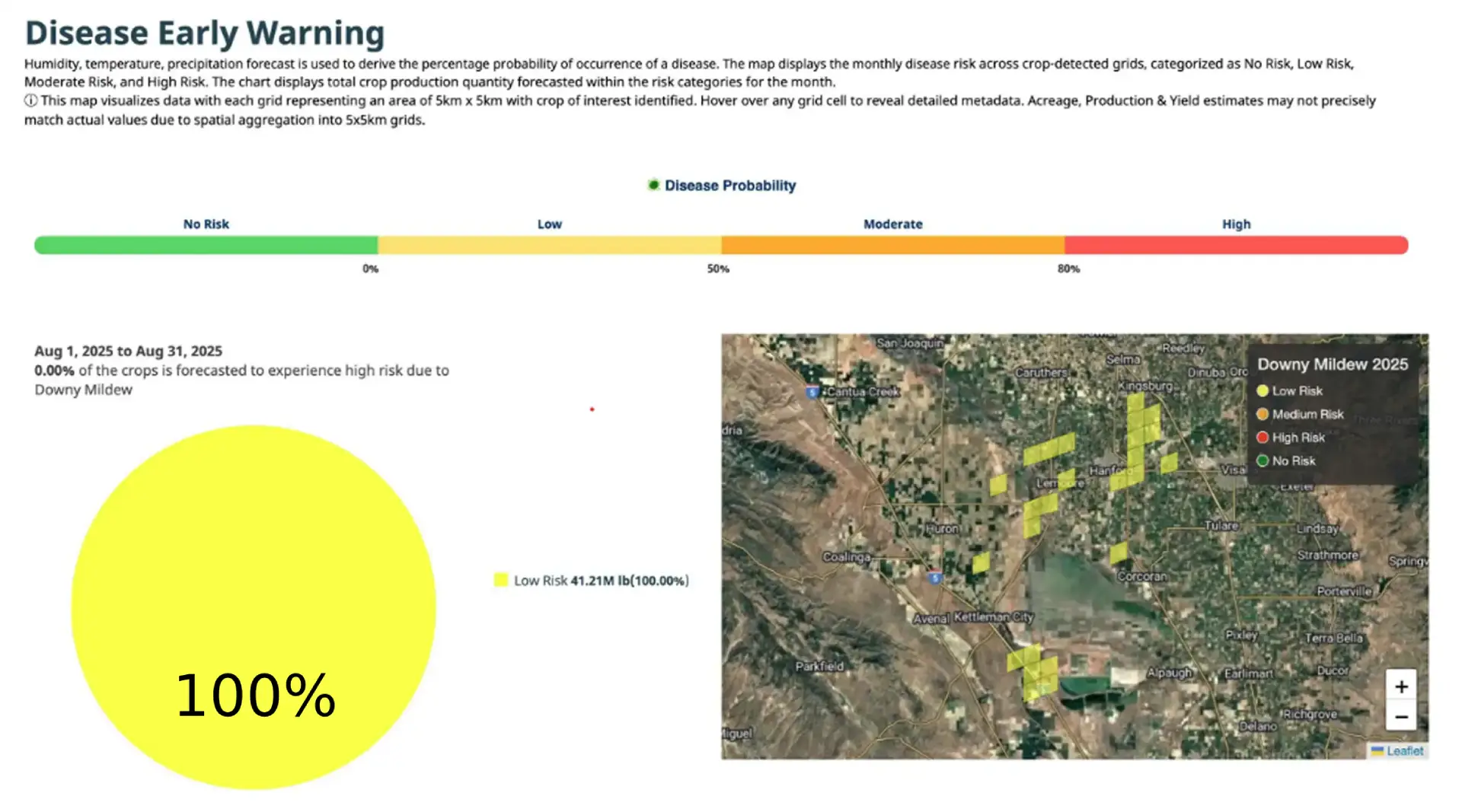
The Disease Early Warning System (EWS) predicts the likelihood of disease occurrence at the plot level within a 7-day window, using past and forecasted weather parameters to enable proactive interventions.

Agriculture accounts for nearly 70% of global freshwater withdrawals

Smart irrigation

Smart irrigation

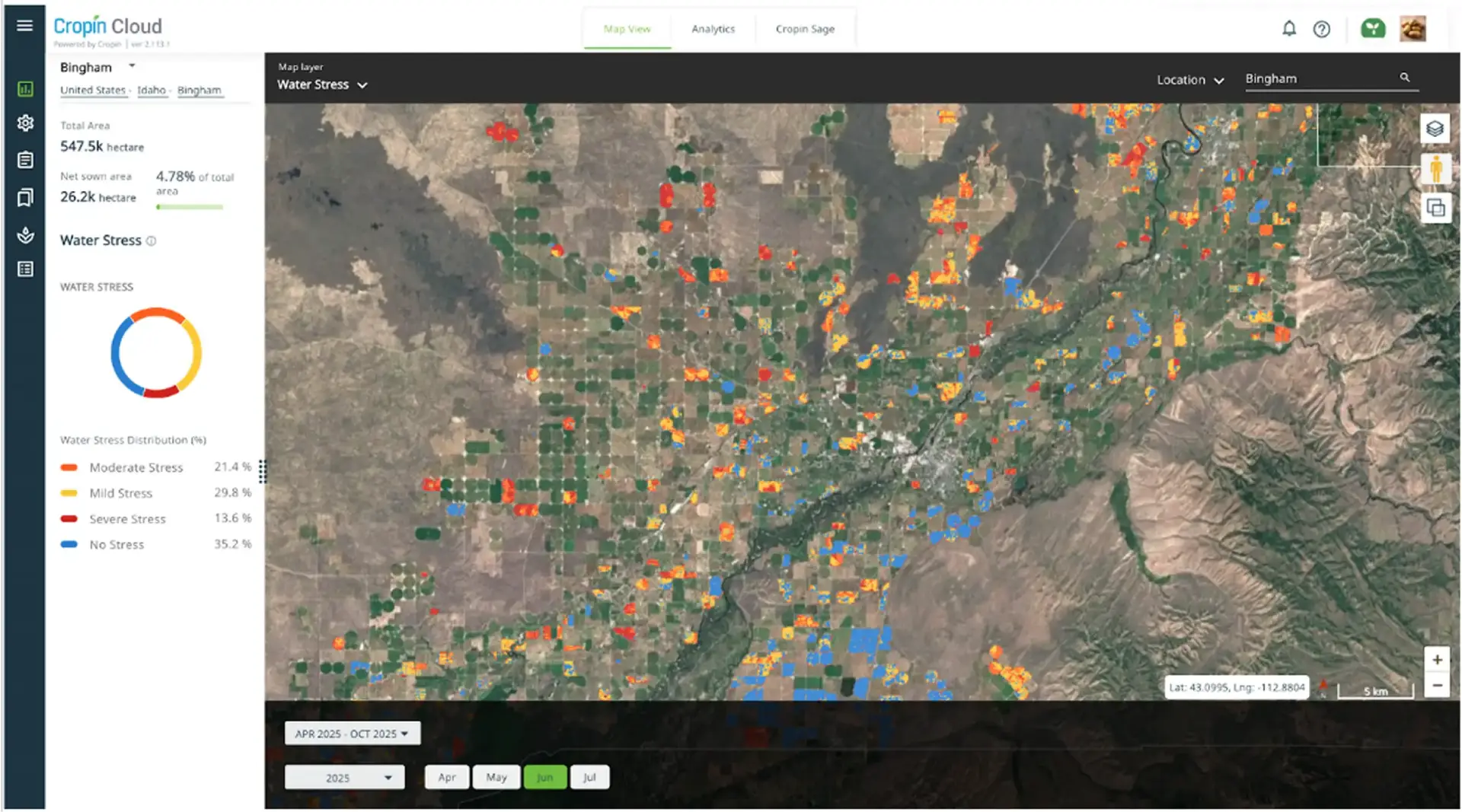
The Irrigation Advisory monitors plant water use and future needs through water balance models powered by weather data. It provides precise recommendations on when and how much to irrigate each plot, ensuring optimal water use and maximizing yield potential.

The Cropin Ecosystem enables agri-food businesses to deliver impact at scale across these and a host of other use cases from ensuring surety of supply and building resilient food production systems to meeting sustainability and regulatory requirements.

Crop Health Indicators

Source
Planet, Sentinel
Cropin – Derived Model

3m, 10m

Planet : Upto 1-2 days
Sentinel : 5-8 days
secure
Data Type
Resolution
Frequency

Our models are finely tuned for specific crops, varieties, and regions, capturing local nuances for higher accuracy. They also smartly filter out cloud and haze, ensuring cleaner inputs and more reliable insights.

The Cropin Ecosystem-enabled regional intelligence capabilities

Model

model-icon

Crop Identification & Crop Acreage Estimation

model-icon

Crop Yield Estimation

model-icon

Weather-based agronomic impacts by region and crop stage

model-icon

Weather Anomaly

model-icon

LULC – Dynamic agricultural land mask

model-icon

Water Stress

model-icon

Potential Yield

model-icon

Crop Suitability

model-icon

Smart In-Season Sowing Window Insights

model-icon

Harvest Window Forecast

model-icon

Accurate Harvest Production Forecasts

model-icon

Crop Age Detection

model-icon

Crop Health

model-icon

Disease Early Warning System

Benefits

benefits-icon

Identification of crops grown across a region or cluster, along with accurate detection of total sown area (ha) for each season.

benefits-icon

Seasonal yield estimation for crops at a regional scale

benefits-icon

Risk categorization based on region- and crop-stage-specific thresholds

benefits-icon

Weather and soil anomalies (temp, rain, moisture, SPEI) vs long-term averages

benefits-icon

A dynamic indicator that shows active crop or sowing areas, helping clearly distinguish agri land from non-agri land.

benefits-icon

Indicates water stress (No, Mild, Medium, High) by comparing crop water needs with available water.

benefits-icon

Potential yield shows the best possible harvest using past and forecast weather plus soil and crop data, and it identifies the ideal planting date and crop cycle.

benefits-icon

Assessing crop suitability by evaluating elevation, soil, rainfall, temperature, humidity, sunlight, wind speed, and other conditions to categorize regions into suitability levels.

benefits-icon

Bi-Weekly Tracking of Sown Area (ha) in the Target Region

benefits-icon

Indicates if harvest timing is early, late, or normal vs. the typical window.

benefits-icon

Expected weekly harvest production, measured in Metric Tonne (MT), for the season.

benefits-icon

Detecting the Age of Standing Multi-Year Crops

benefits-icon

Identifying Crop Health Across an LGA Using Greenness and Vegetation Indicators

benefits-icon

Identifying the likelihood of disease occurrence based on weather conditions

Delivery Frequency

frequency-icon

Seasonal coverage from sowing to any point post-maturity.

frequency-icon

Seasonal coverage from sowing to any point post-maturity.

frequency-icon

Temperature: Daily
Precipitation: Weekly
Heat Wave: Weekly
Drought: Monthly
DEWS: Monthly

frequency-icon

Monthly

frequency-icon

Season start to post-germination

frequency-icon

Seasonal

frequency-icon

Seasonal: start to end of season

frequency-icon

Seasonal: start to end of season

frequency-icon

Bi-weekly (Start of season to end of sowing)

frequency-icon

Seasonal: start of season to post-maturity.

frequency-icon

Weekly (post-maturity to harvest close)

frequency-icon

Seasonal

frequency-icon

Seasonal (from start of season to any point after germination)

frequency-icon

Weekly
Monthly
Seasonal

Delivery Capability

capability-icon

Past - Current

capability-icon

Past - Current

capability-icon

Past - Current - Forecast

capability-icon

Past - Current - Forecast (Except soil moisture)

capability-icon

Past - Current

capability-icon

Seasonal

capability-icon

Forecast

capability-icon

Forecast

capability-icon

Past - Current

capability-icon

Past - Current - Forecast

capability-icon

Past - Current - Forecast

capability-icon

Past - Current

capability-icon

Past - Current

capability-icon

Past - Current - Forecast

Stop crop diseases before they destroy yields and your profits

diseases early

The decade of assembly: A Silicon Valley blueprint

The launch of this integrated initiative is not an overnight event; it is the culmination of a decade-long vision. For nearly a decade and a half, building this structure has been the dream project of Cropin founder, Krishna Kumar. We analyzed the market year after year, deferring the launch until every necessary link was perfectly joined. In 2026, the final links are in place.
SV-top-left
SV-top-right
SV-bottom-right
SV-bottom-left
SV-dashboard
Our guiding principle for building this corporate ecosystem was the analogy of Silicon Valley. Just as the Valley was built on the convergence of educational institutions, rich tech talent, and a powerful investor ecosystem, The Cropin Ecosystem is our blueprint to bridge the critical gap between agriculture and the digital world, creating an environment where our customers are guaranteed success.

Frequently asked questions (FAQs)

What is the Cropin Ecosystem?
The Cropin Ecosystem is an AI-first, plug-and-play digital transformation framework for the global agri-food industry. It unites Google Cloud, BCG, Wipro, Planet Labs, The Weather Company, and the Gates Foundation into a single integrated platform. It enables CPG companies, food retailers, and commodity traders to eliminate upstream agricultural risk and achieve surety of supply, deployable and achieve outcomes across global operations in under six months.
The Cropin Ecosystem was conceived by Krishna Kumar, Founder and CEO of Cropin, and represents over 15 years of vision and development. It is inspired by the Silicon Valley convergence model, pooling technology, strategy, data, and domain expertise into one unified framework, just as Silicon Valley pooled talent, capital, and institutions to build the digital economy. The Ecosystem was formally unveiled in January 2026 as Cropin’s flagship initiative.
The Ecosystem unites eight partner categories: BCG (strategy), Google Cloud (AI and cloud), Wipro and Global HITSS (digital integration), Planet Labs, Sentinel-2, NASA/Landsat, and MODIS (satellite data), Meteomatics, The Weather Company, and ERA5 (climate intelligence), SAP, Microsoft Dynamics, and Salesforce (ERP integration), and the Gates Foundation, World Bank, IFC, and EIT Food (development finance). Enterprise customers deploying the Ecosystem include Walmart, PepsiCo, McCain, Mondelez, Heineken, Syngenta, BASF, and ADM.
A Total Economic Impact (TEI) study by Forrester Consulting found that a $40 billion global agri-food enterprise achieved a 161% ROI and $3.9 million in benefits over three years, with a net present value of $2.4 million after deploying Cropin’s platform. Key drivers included improved yield quality visibility, reduced procurement risk, and digitised field operations. The study was conducted using Forrester’s globally recognised TEI methodology.
Cropin’s AI models consistently deliver accuracy levels of 90% or higher across yield estimation, crop stage prediction, and disease early warning. Regenerative agriculture deployments aiming to demonstrate 5% yield improvement, 15% pesticide reduction, and 5% lower water use. Across its global deployments, Cropin has digitised over 30 million acres, positively impacted 7 million farmers, and built intelligence across 1 billion acres of the world’s cultivable land.
The Cropin Ecosystem is designed for full deployment and begins delivering early benefits across an enterprise’s global agri-food operations in under six months, enabled by its pre-integrated, plug-and-play architecture.
The Ecosystem runs on 30+ proprietary deep-learning models covering yield estimation, crop stage progression, disease early warning, smart irrigation, and weather anomaly detection. Satellite intelligence is drawn from Planet Labs (3m resolution, 1–2 day revisit), Sentinel-2 (10m, 5–8 days), and NASA Landsat/MODIS for regional coverage. Cropin also leverages Google Cloud and Gemini as its Cloud and AI core partners, powering the natural-language agri-intelligence interface.
Cropin runs several large-scale, country- and region-level deployments across the US and European markets. Notable examples include its partnership with Walmart, America’s largest retailer, to build an AI-powered fresh produce supply chain — described by Walmart’s VP of Product Development as a “first-of-its-kind deployment.” In the UK, Cropin is leading the EIT Food-funded FIRST Potato project, a €700,000 regenerative agriculture pilot spanning the UK, Germany, and Denmark.
The Ecosystem addresses food security across three dimensions: supply availability (through AI-powered yield forecasting and surety of supply), climate resilience (through disease early warning, weather modelling, and climate-smart agriculture), and sustainability compliance (through traceability, regenerative agriculture, and EUDR readiness).
Scroll to Top
?
?
?