
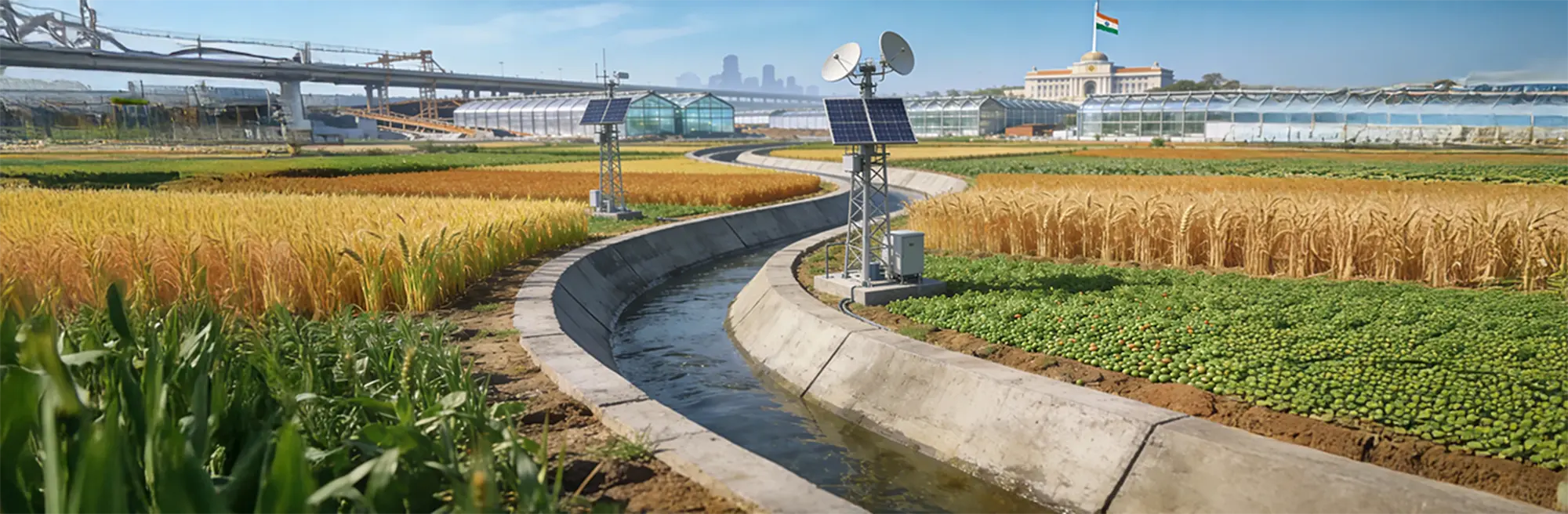
Bharat-VISTAAR: The AI Nerve Center for 140 Million Farmers
Why Bharat-VISTAAR is a Game Changer:
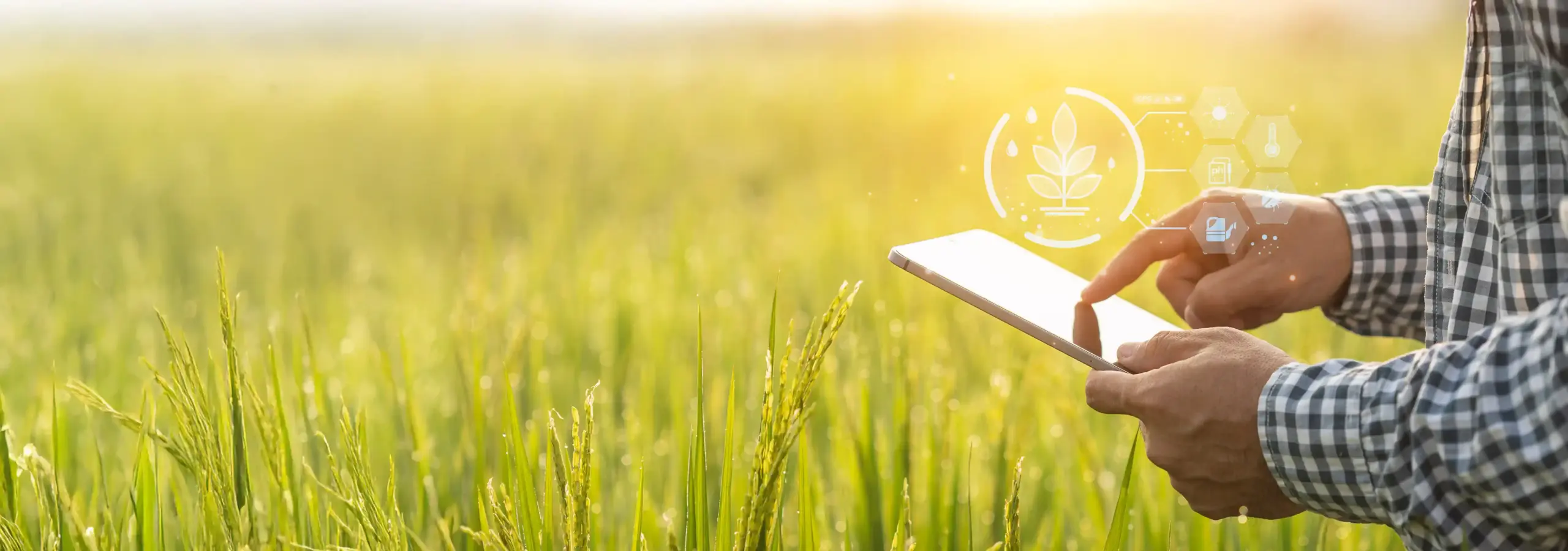
- Multilingual AI Advisory: To directly address the “knowledge gap” that has historically limited yield potential, Bharat-VISTAAR will deploy advanced GenAI and conversational chatbots. It will integrate agricultural portals, weather APIs, and the ICAR agricultural package of practices with advanced AI systems to provide personalized, real-time advisories in regional languages.
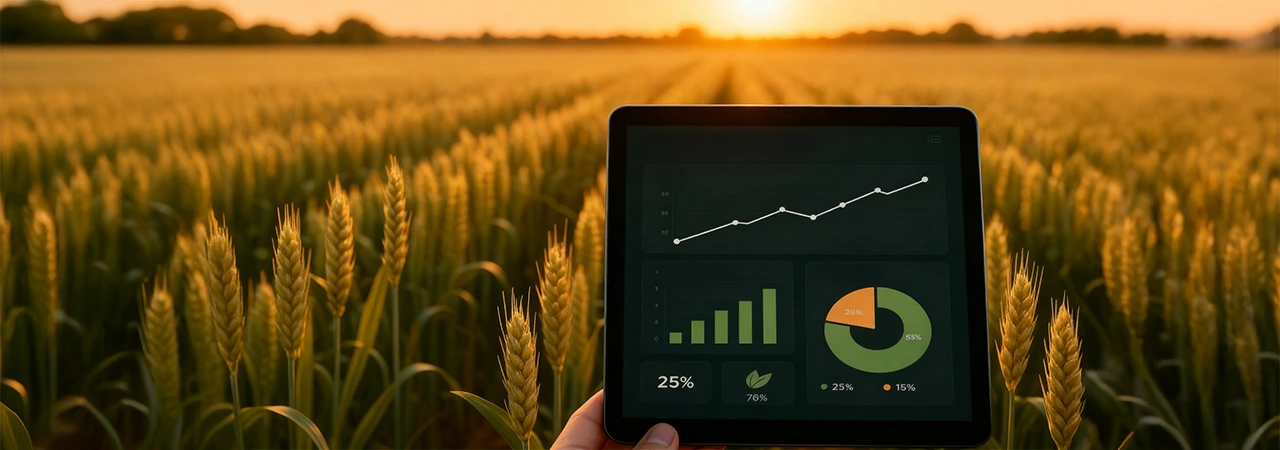
- Sustainable Agriculture: A Reality. This initiative will transform resource use and support farmers in decision-making. The customized advisories will enable data-driven decision-making to optimize input resource use and reduce risks, thereby enhancing farm productivity and farmer income. It is believed to accelerate the adoption of precision farming and empower farmers with timely, data-driven guidance.
- Access to Schemes: Farmers can now learn about, apply for, and track government schemes through a streamlined digital interface, removing the friction of traditional bureaucracy.
Strategic Allocations: Beyond the Field
- Input Cost Relief: A massive Rs 1,70,944 crore fertilizer subsidy ensures that while we look at high-tech futures, the immediate reality of input costs is managed, providing direct relief to the marginal farmer.
- Digital Agriculture Mission: The budget aims to continue supporting the development of the Digital Public Infrastructure (DPI). It aims to create a digital footprint by generating unique digital IDs for 11 crore farmers by 2026-27.
High-Value Agriculture: Diversifying the Rural Economy
- Coconut, Sandalwood, Cocoa, Cashew in Coastal Regions. India is the largest producer of coconuts globally. To boost productivity and improve competitiveness, the budget announced the “Coconut Promotion Scheme,” which will support interventions such as the replantation of old, unproductive coconut trees in coconut-growing states. For Sandalwood, the Union Government, in partnership with State Governments, will promote scientific farming and post-harvest processing. A dedicated programme will make India self-reliant in cocoa and cashew.
- Agar trees in the North-East.
- Nuts like Walnuts, Almonds and Pine nuts in Hilly Terrains.
- Medicinal Plants: The government will support the certification and export of medicinal plants through the Ministry of AYUSH, tapping into the multi-billion-dollar global wellness market.
Inclusivity and Rural Entrepreneurship: From 'Lakhpati Didi' to 'SHE-Mart.'
- District-Level Retail: Women will be supported to tap the organized retail sector through community-owned retail outlets. These will be set up in every district to collectively market and sell products made by rural women. The initiative will create sustainable income opportunities.
- Beyond Subsistence: The goal is to move women from subsistence farming into high-value roles in animal husbandry and agri-processing. It will strengthen grassroots-level entrepreneurship and formalize micro-enterprises.
Allied Sectors: Blue and White Revolutions 2.0
- Fisheries: Budgetary support of Rs 2,761.80 crore, allocated for the fisheries sector, is the highest till date. It will cover the integrated development of 500 reservoirs and Amrit Sarovars, and enable market linkages for women-led groups, start-up and Fish Farmer Producer Organizations. These measures aim to reduce seasonal volatility, boost seafood exports, double fishers’ incomes, and elevate the sector as a pillar of scalable growth.
- Animal Husbandry: To improve productivity and efficiency in dairy and poultry, the budget has launched a Credit-Linked Subsidy scheme to modernize technology. This will strengthen the value chain by improving investments across breeding, processing, feed, and housing. It aims to improve the availability of milk, eggs, and protein-rich foods, as well as to increase farmers’ income through diversification.
- National Fibre Scheme: To support the labor-intensive textile sector, the National Fibre Scheme will focus on silk, wool, jute, and new-age fibre. It will reduce import dependence, improve domestic fibre availability, and encourage innovation in advanced textiles.
Innovation & Research
Summary of Key Budgetary Allocations (2026-27)
| Sector/Initiative | Allocation (Approx.) in Rs. |
|---|---|
| Total Agriculture Budget | 1,32,561 Crore |
| Fertilizer Subsidy | 1,70,944 Crore |
| Agri-Research & Innovation | 9,967 Crore |
| Fisheries | 2,760 Crore |
| Digital Agriculture Mission | 2,500 Crore |
The Union Budget 2026-27 marks a clear transition from welfare-heavy spending to productivity-led growth in agriculture. The future of Indian agriculture will shift toward digital, inclusive, and intelligent approaches. As an agtech provider, we see this budget as an acknowledgment that data-driven decision-making with Bharat-VISTAAR will help build resilience among our 140 million farmers against climate risk and market volatility. For Cropin, this budget validates our belief that “agri-intelligence” is the most critical factor in improving farm prosperity.
Author Bio
Haripriya Muralidharan
Haripriya Muralidharan leads content marketing at Cropin Technology Solutions, bringing a unique scientific rigor to brand storytelling. With a Master's in Chemistry from Pune University and research experience in cancer immunology, she discovered her passion in storytelling. For two decades, she has operated at the intersection of content, communication, and brand strategy, specializing in turning complex ideas into impactful narratives. Prior to Cropin, Haripriya leveraged her creative skills at Elsevier’s Chemical Business News Base and shaped multi-format content strategies for B2B marketing at Scatter.