

Navigating the Complexities of High and Low shelf-life of Fresh Produce

cropin Navigating the Complexities of High and Low shelf-life of Fresh Produce

Table of contents

In the high-stakes world of fresh produce, time is the ultimate commodity. For agri-businesses, managing perishability is a sophisticated race against a ticking clock that dictates market value, waste margins, and brand reputation. Success in this race is determined by interventions across variables from seed variety and the strategic timing of sowing to germination rate, input chemical use, precise harvest window, and the rigor of post-harvest care.
Each stage is a critical touchpoint where data-driven intelligence can enhance inherent shelf-life and protect enterprise margins.

What is Shelf-life in Terms of Fresh Produce?

Shelf-life is the finite duration during which produce maintains acceptable quality, taste, and nutritional value making increasing shelf life of fruits and vegetables a critical focus in the fresh produce industry This is simply because fresh fruits and vegetables continue to function like living organisms, even after harvest, unlike processed foods. They respire using stored energy and oxygen to stay alive, and the faster they burn through that energy, the shorter their shelf-life becomes. In other words, the dynamic state of decay starts the moment a crop is severed from its nutrient source.
To manage a fresh supply chain, one must distinguish between two overlapping timelines:
  • Physiological shelf-life (The Biological Clock): The total time until cells naturally collapse or decay.
  • Marketable shelf-life (The Visual Clock): The window where produce meets the aesthetic standards of the consumer.
Crucially, marketable shelf-life is almost always shorter. A berry with a slight loss of luster may be physiologically safe to eat, but if it shows slight shriveling or loss of luster, its marketable life has ended and becomes inedible, leading to “shrinkage” and lost revenue.

How Shelf Life Directly Impacts Post-Harvest Losses and Profit Margins

Shelf-life is a key economic driver. Because fresh produce remains metabolically active after harvest, its limited storage duration directly affects post-harvest losses, pricing stability, and market access. The FAO(2019) estimates that 14% of food is lost between harvest and retail, with fresh produce accounting for the majority.
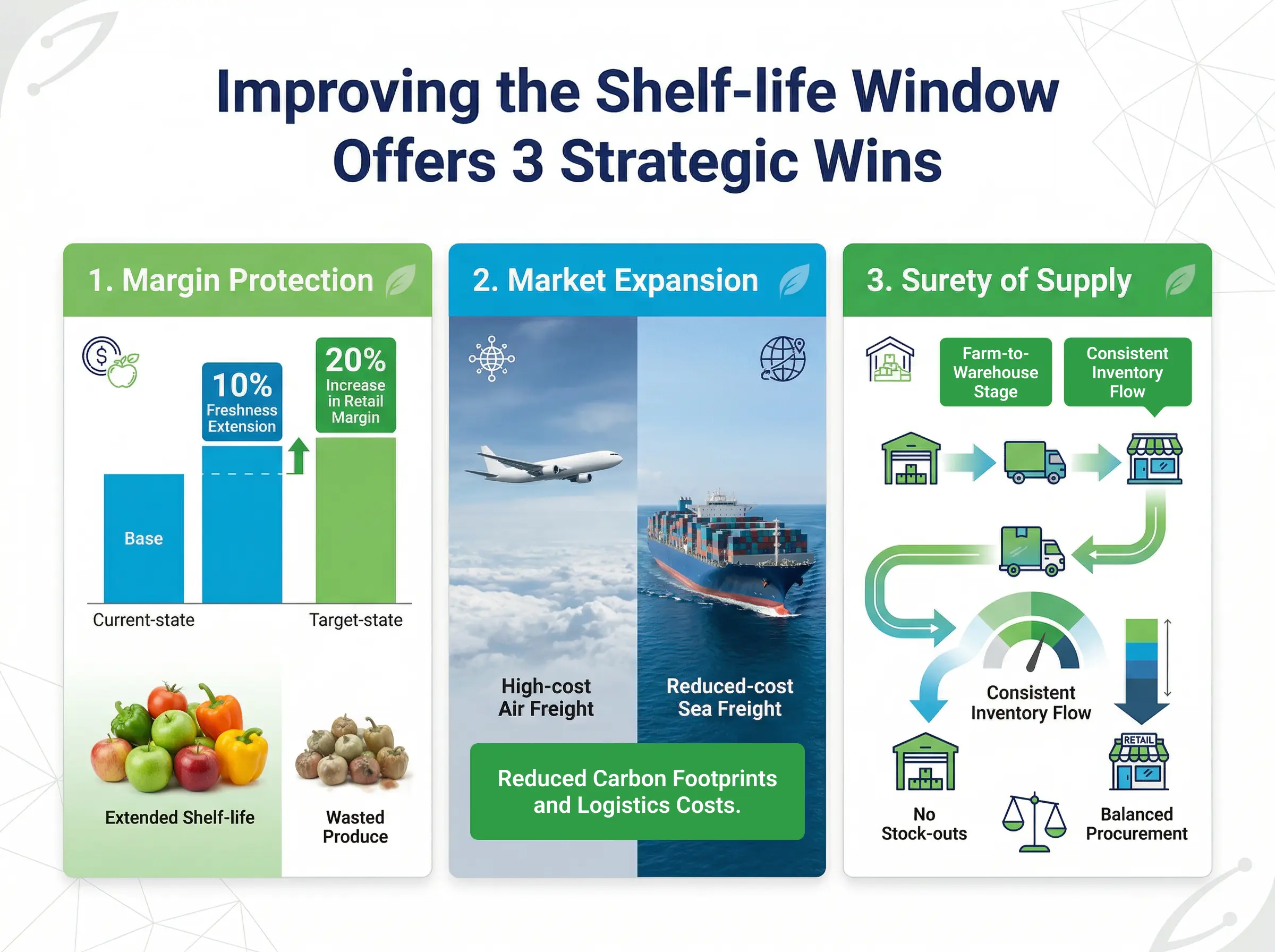
The Economic and Supply Chain Importance of shelf life 1 (1)

Biological Drivers Behind Variability in Fresh Produce Shelf-Life:

Different types of fresh produce naturally differ in respiration rate, moisture content, tissue strength, and vulnerability to microbial infection. These differences explain variations in intrinsic storage potential and inherent shelf-life.

Nature of Produce

Different crops have distinct “intrinsic storage potentials” based on their nature:
Nature of Produce Typical Shelf-life Characteristics
Leafy Greens (eg spinach, lettuce, coriander) 1–5 Days High respiration; large surface area.
Soft Fruits (eg strawberry, raspberry, blueberry) 3–7 Days Delicate epidermis; high internal moisture.
Climacteric Fruits (eg mango, banana, tomato, apple) Intermediate Ripen post-harvest (Mango, Banana, Tomato).
Root/Tubers (eg potato, onion, carrot, beetroot) Several Months Natural dormancy mechanisms (Potato, Onion).

Ripening Physiology

Ripening physiology is a major biological determinant of shelf-life and is categorized into climacteric and non-climacteric behavior.
  • In climacteric produce (banana, mango, tomato, apple, and papaya), ripening is autocatalytic, making shelf-life management more complex. Research highlights the importance of ethylene management techniques, such as controlled-atmosphere storage and ethylene absorbers, to extend storage life.
  • Non-climacteric produce (strawberry, grape, citrus, and pomegranate) does not show a respiratory peak after harvest, and quality depends heavily on the maturity stage at harvest. They mainly deteriorate due to moisture loss, mechanical injury, and microbial decay.
Thus, climacteric fruits exhibit internal hormonal complexity that affects shelf life, whereas non-climacteric fruits are more influenced by external environmental conditions.

Anatomical Features and Protective Barriers

Genetically determined anatomical and structural characteristics of fresh food produce strongly influence its inherent shelf-life potential. These include:
  • Physical structure (cuticle and epidermal thickness)
  • Skin firmness and mechanical resistance
  • Surface area-to-volume ratio

Dormancy and Natural Storage Mechanisms
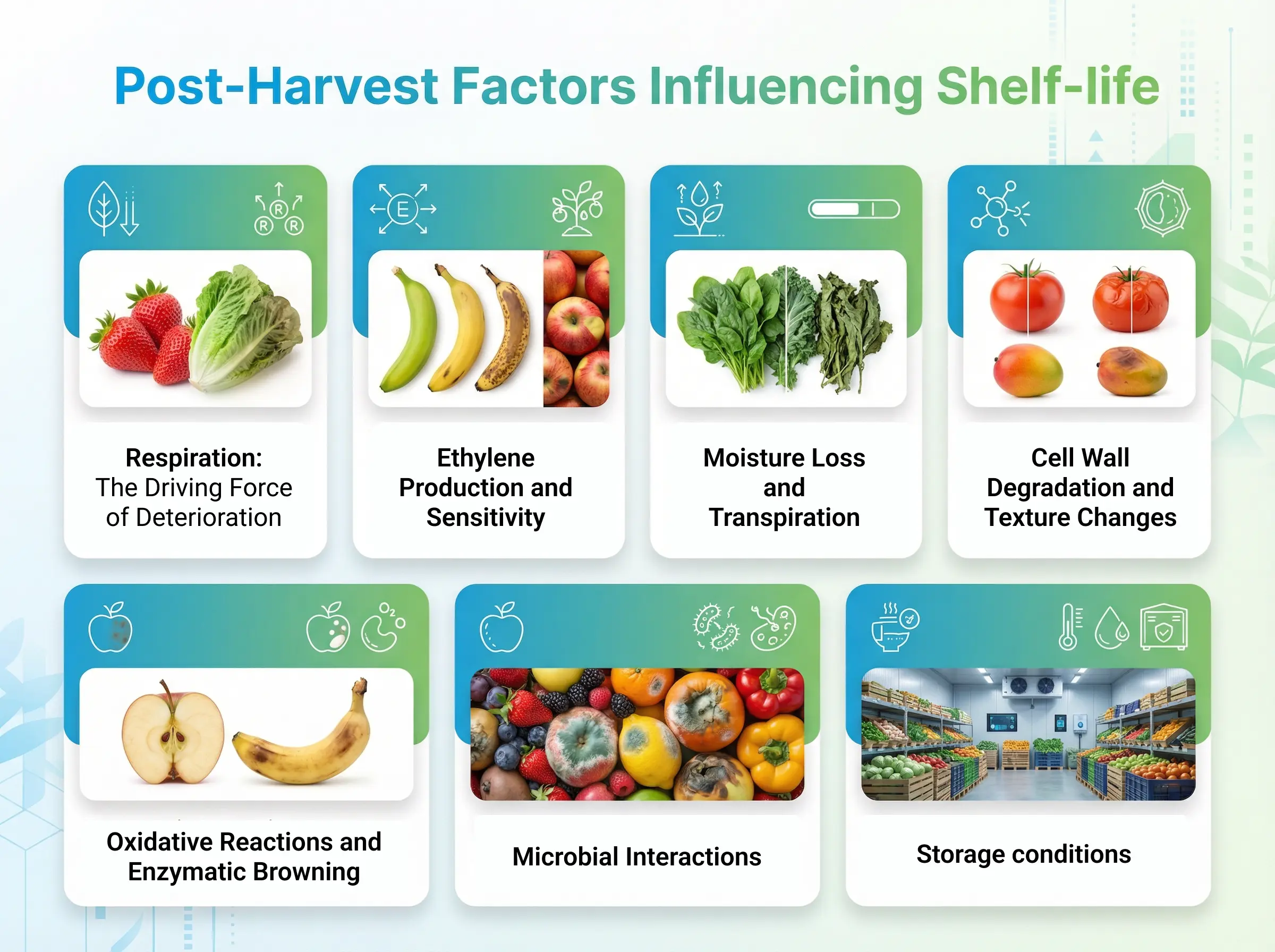
Dormancy is a biological survival mechanism that allows certain crops to remain physiologically inactive for extended periods after harvest. Hormonal balance and environmental factors such as temperature and humidity regulate dormancy. Dormancy adds complexity because produce may remain stable for weeks or months before suddenly deteriorating as hormonal balance shifts.
Post Harvest
Pre Harvest

Why Fast Supply Chains Still Lose Fresh Produce Quality and What's Missing

Modern supply chains are faster than ever, yet they often lack predictive certainty. Most enterprises treat shelf-life as a constant. However, two batches of tomatoes harvested on the same day can have vastly different lifespans based on their “pre-harvest history.” Without ground-truth intelligence, high-velocity supply chains are essentially blind, treating highly variable living organisms as uniform industrial parts.
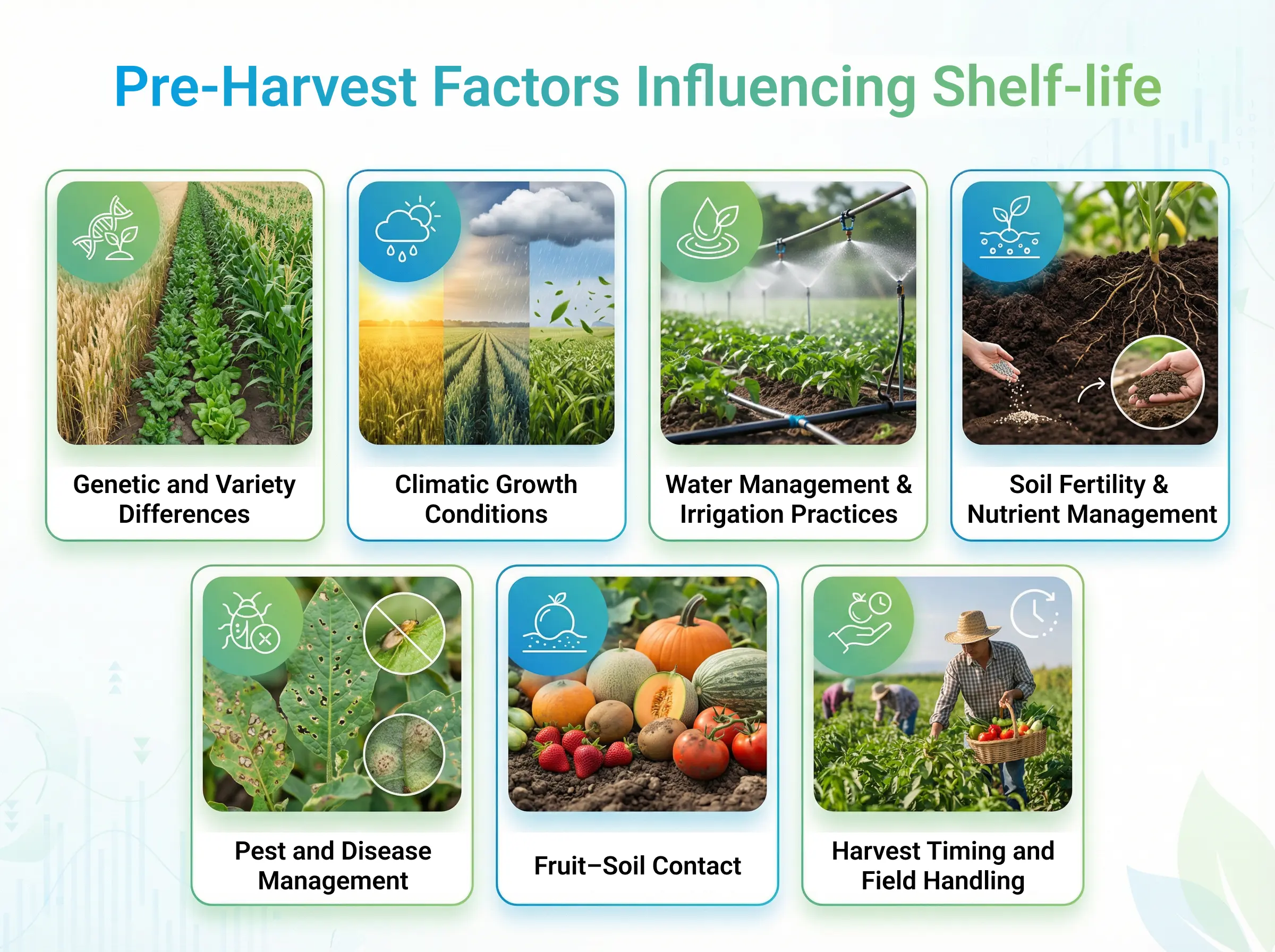
The storage life of fresh produce is not determined only after harvest; it is largely shaped in the field. Growing conditions influence tissue strength, biochemical composition, respiration rate, and disease resistance. These pre-harvest factors explain why some fruits and vegetables develop strong storage potential (high shelf-life), while others become highly perishable (low shelf-life) even under good storage conditions.

Critical Variables: What Actually Dictates the "Clock" of Fresh Produce?

Suggested – [Key Factors That Affect Shelf Life of Fresh Produce: From the Field to the Cold Chain]
The clock starts in the field, not the packing house. Several critical variables influence shelf-life.

How to Solve the "Short shelf-life" Challenge with Agri-Intelligence

AI models can be leveraged to transform shelf-life from a “guessing game” into a predictive science by bridging the gap between field data and supply chain logistics. Let’s see some examples.

1. Genetic and Variety Differences

Shelf-life begins with the genome. Different cultivars of the same crop can vary greatly in respiration rate, skin thickness, firmness, and resistance to moisture loss. Varieties with thicker cuticles, firmer cell walls, and slower metabolic activity generally exhibit longer shelf-life. For example, some tomato cultivars bred for transport have firmer skins and slower softening rates than local soft varieties, which deteriorate quickly. High shelf-life commodities often result from deliberate breeding for firmness, structural strength, and slower physiological aging, while low shelf-life types are typically selected for taste and tenderness rather than storability.
Cropin’s AI models assess multiple factors to determine the ideal crop variety.

2. Climatic Growth Conditions

Excessive heat or over-irrigation produces succulent tissues with weak cell walls, making them highly susceptible to decay. An increase in growing temperatures can accelerate fruit maturation and increase sugar accumulation. For instance, tomatoes grown under excessive heat may soften more quickly after harvest, while cucumbers exposed to low temperatures may become more sensitive to chilling injury during storage. Sunlight intensity influences peel development and dry matter content; strong winds may cause physical abrasions in crops like apple or pear, and frost and hail damage compromise tissue integrity before harvest. Therefore, climatic stress often creates hidden vulnerabilities that shorten shelf-life.
In the delicate window between ripening and harvest, excessive heatwaves can silently compromise a grape’s shelf-life long before it reaches the retail shelf. High temperatures cause rapid moisture loss, weakening the fruit’s attachment to the stem and increasing the risk of berry shattering during post-harvest storage. Furthermore, heat-accelerated maturation leaves berries soft and vulnerable to compression damage and unappealing mushy spots, while intense sunlight exposure induces browning and necrotic sunburn. Cropin’s Predictive Risk Intelligence transforms these climate challenges into manageable tasks by providing field-specific alerts for abnormal weather conditions. By leveraging these real-time insights, growers can proactively adapt irrigation, canopy management, and harvest timing to combat thermal stress, ensuring that every cluster maintains the firm texture and pristine appearance required for a premium market presence.

3. Water Management and Irrigation Practices
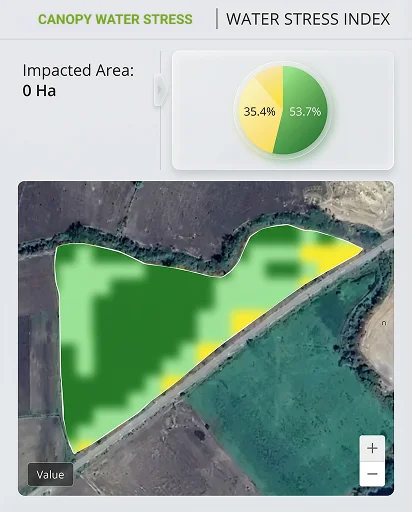
Water availability during cultivation directly affects tissue composition and firmness. Over-irrigation can produce overly succulent tissues with higher water content and thinner cell walls, increasing susceptibility to microbial decay. Under-irrigation or drought stress may reduce fruit size and affect texture. For example, strawberries that are over-irrigated may appear larger but spoil more quickly. Therefore, proper irrigation scheduling contributes to optimal dry matter content and improved post-harvest performance, influencing whether produce has a high or low shelf life.
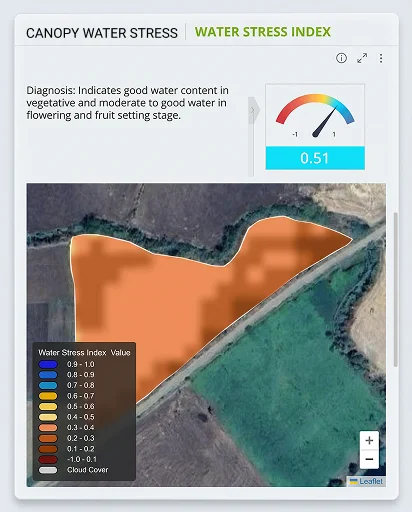
Through advanced satellite-driven analytics, Cropin identifies crop water stress at critical growth stages and generates timely irrigation alerts based on crop- and stage-specific water requirements. This enables precise moisture management throughout the season, ensuring efficient nutrient transport and sustained biomass accumulation, ultimately supporting optimal crop performance and yield.
water index
pest and diesase

4. Soil Fertility and Nutrient Management
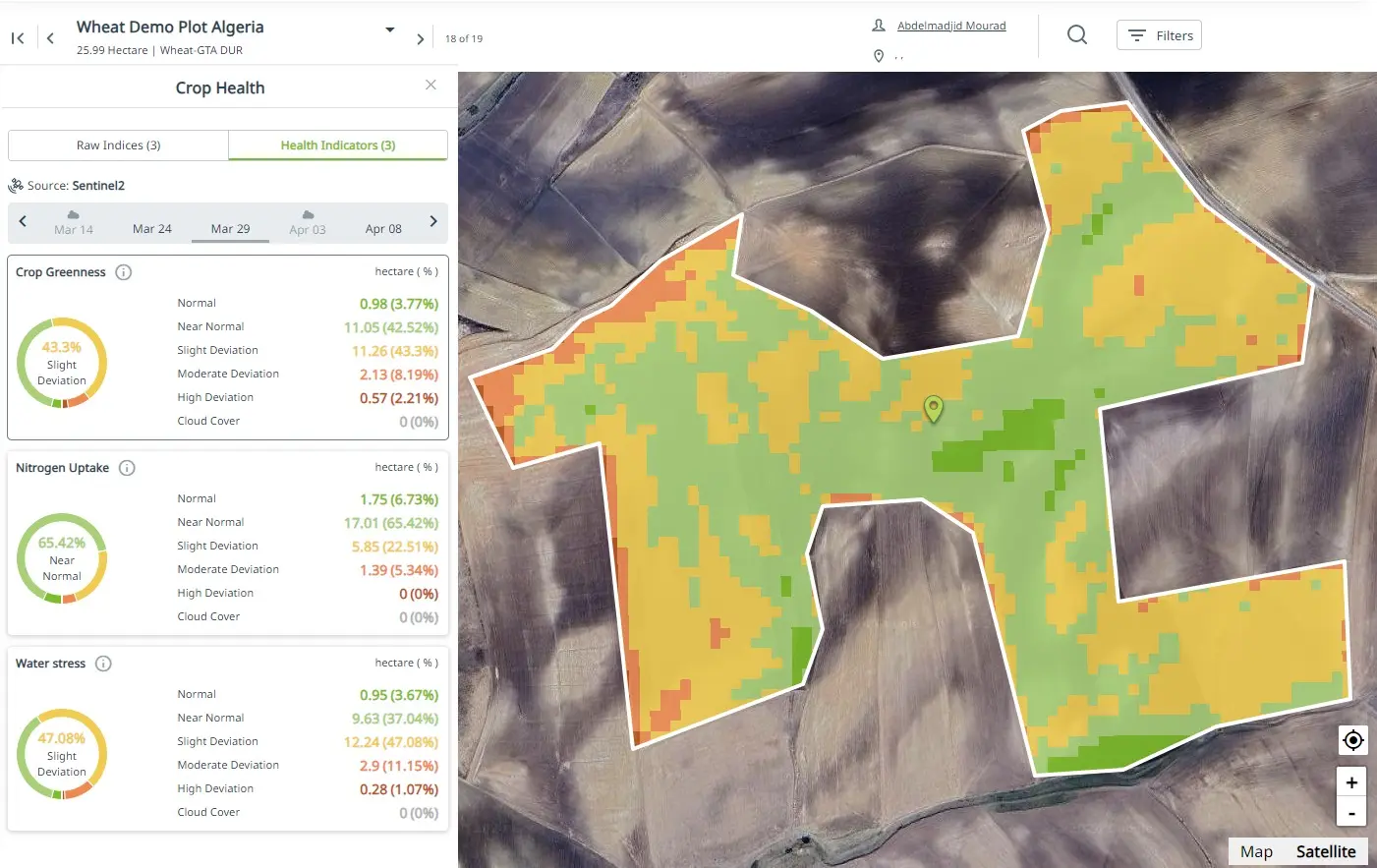
Excess Nitrogen produces soft tissue, while Calcium and Potassium strengthen cell membranes. Thus, balanced nutrient management increases structural integrity and extends shelf-life, while nutrient imbalance contributes to rapid deterioration.
Cropin’s crop health model leverages satellite-driven analysis to continuously monitor overall plant growth and Nutrient uptake levels throughout the season. By delivering timely, periodic updates on crop health, it enables farmers and agronomists to make informed, stage-specific nutrient management decisions, thereby supporting more consistent performance and optimized yields.

5. Pest and Disease Management

Field health strongly determines post-harvest stability. Insect feeding or fungal infections create entry points for secondary pathogens after harvest. Even minor pre-harvest infections in crops like mango, grape, or brinjal can expand rapidly during storage due to continued metabolic activity. Healthy produce with intact epidermal layers stores significantly longer. Integrated pest and disease management reduces physiological stress and preserves structural barriers, potentially extending shelf life.

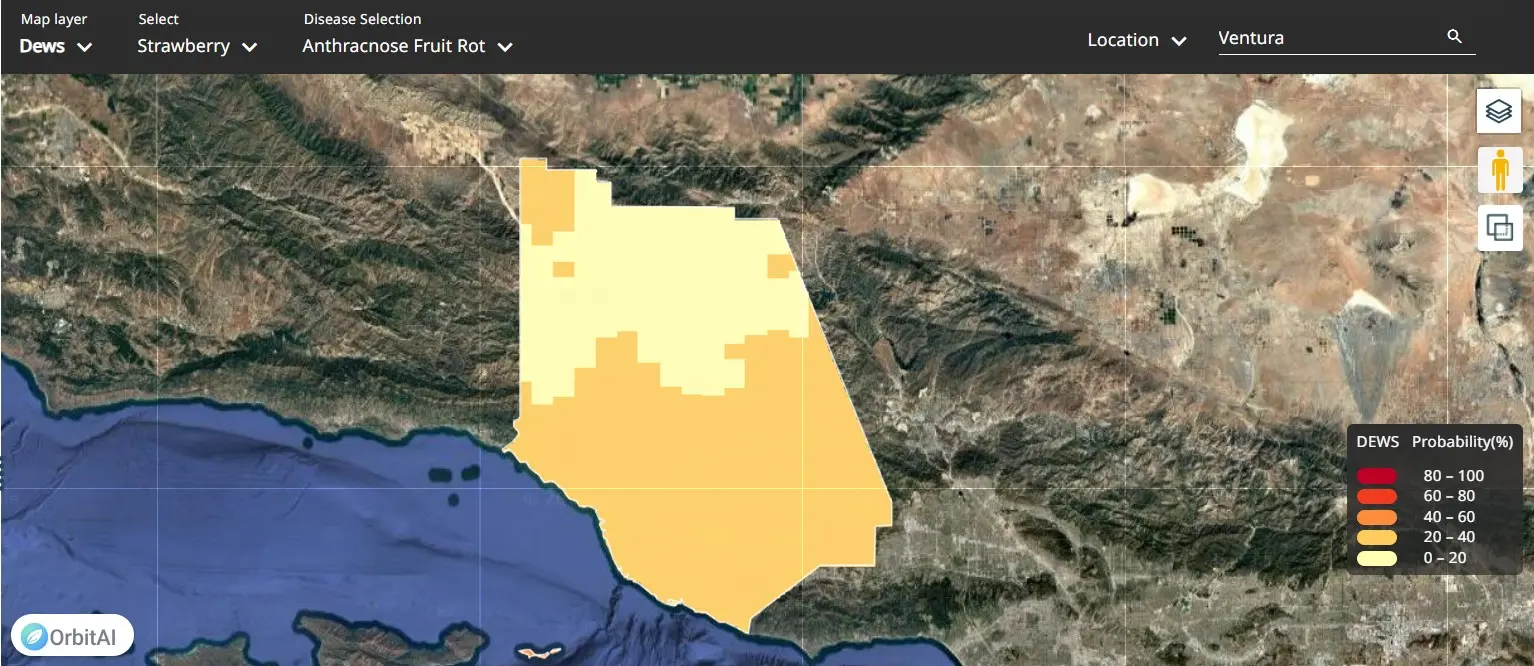
Fungal pathogens don’t stop at the farm gate; they turn a harvest into a liability. In grapes, Downy Mildew and Powdery Mildew compromise skin integrity, leading to shriveling and secondary rots during transport. Similarly, Late Blight in potatoes often manifests as “hidden” tuber infections that cause liquefaction in storage, while strawberry Anthracnose creates sunken lesions that spread rapidly in high-humidity retail environments, rendering fruit unsellable and significantly reducing marketable yield. This is where Cropin DEWS (Disease Early Warning System) becomes a game-changer. By analyzing hyper-local weather data and crop phenology, DEWS predicts the exact window when conditions become “ripe” for infection. Instead of reacting to visible damage, growers receive preemptive alerts to optimize treatments, ensuring only pristine, pathogen-free produce enters the supply chain. By stopping the rot before it starts, Cropin DEWS safeguards your margins from harvest to retail, transforming unpredictable risks into a predictable, high-quality yield.
6. Harvest Timing and Field Handling
The stage of maturity at harvest directly influences respiration rate and storage behavior. Over-mature fruits, such as bananas and papayas, respire more rapidly and soften quickly. Immature harvest in crops like tomatoes or mangoes may affect flavor, but sometimes extends storage duration. Harvesting during rain increases surface moisture, raising microbial risk in leafy vegetables and berries. Rough handling in the field causes bruising in fruits like apples and peaches, accelerating respiration and enzymatic browning. Gentle harvesting practices and proper maturity selection help maintain structural integrity and slow physiological deterioration.
Post-harvest losses in potato farming are largely due to premature harvesting and improper handling, which leave immature tubers with thin, underdeveloped skins. This delicate periderm triggers rapid moisture loss, accelerated metabolism, and a high vulnerability to both mechanical bruising and infectious diseases. Cropin’s advanced Stage Detection and Harvest Prediction Models eliminate this guesswork for farmers. By pinpointing the optimal harvest window, our intelligence ensures tubers are harvested at peak maturity, slashing post-harvest weight and quality losses, fortifying crop resistance to storage diseases, and maximizing marketable yield and profitability.
harvest timing graph

The Strategic Advantage of a "Digital Traceability" Layer

Maize Hybrid Trials – Latin America

In the fresh produce sector, traceability is often misunderstood as a reactive tool for recall management. However, in an enterprise context, a Digital Traceability Layer functions as a proactive intelligence engine that preserves value.
By assigning a “Digital Twin” to every batch at the plot level, organizations gain a continuous data trail that extends from soil health to the retail shelf. This helps
  • Verify Freshness Credit
  • Eliminating the “First-In, First-Out” (FIFO) Inefficiency
  • Ensure Compliance

Conclusion: Making Time a Strategic Asset, Not a Liability

The complexities of fresh produce shelf-life are no longer a mystery to be managed by “best-guess” estimates. The transition from a biological clock to a digital one allows agricultural enterprises to stop treating time as an enemy and start using it as a strategic asset.
Through the integration of satellite intelligence, ground-truth digitization, and predictive AI, Cropin allows stakeholders to look inside the “black box” of perishability. When you can predict the remaining life of a crop before it even leaves the field, you gain the agility to optimize pricing, streamline logistics, and fulfill the promise of a zero-waste supply chain.
For the modern agri-enterprise, the goal is clear: Digitize the field, predict the decay, and master the clock.

Author Bio

Siva Shankar

Siva Shankar is an Agronomist and Agri-Information Technologist at Cropin, where he serves as the vital link between traditional agricultural wisdom and cutting-edge technology. A graduate of Tamil Nadu Agricultural University, Siva acts as a vital link between traditional agricultural science and digital innovation. He contributes to core initiatives like crop-weather impact analysis, simulation modeling, yield estimation, and flood detection. By sharing deep technical insights, Siva helps the tech team ensure that Cropin’s solutions remain grounded in agronomic reality, giving farmers and agri-businesses the edge they need to succeed. A man with a green thumb, Siva also finds inspiration in reading and music.

Similar blogs

Scroll to Top
?
?
?