
Synopsis:
India’s 2026 kharif season swung from crisis to cautious recovery within a single month. June brought a severe monsoon deficit and stalled sowing, driven by a strengthening El Niño. July reversed course sharply, with active low-pressure systems narrowing the sowing gap from 20.8% to just 2.9% by month-end. This blog traces that turnaround while flagging what the recovery still hides: lagging pulses and coarse cereals, below-average reservoir levels, and an El Niño set to intensify through September. It closes with why advance weather intelligence and climate-smart agriculture are now essential, not optional, for the seasons ahead.
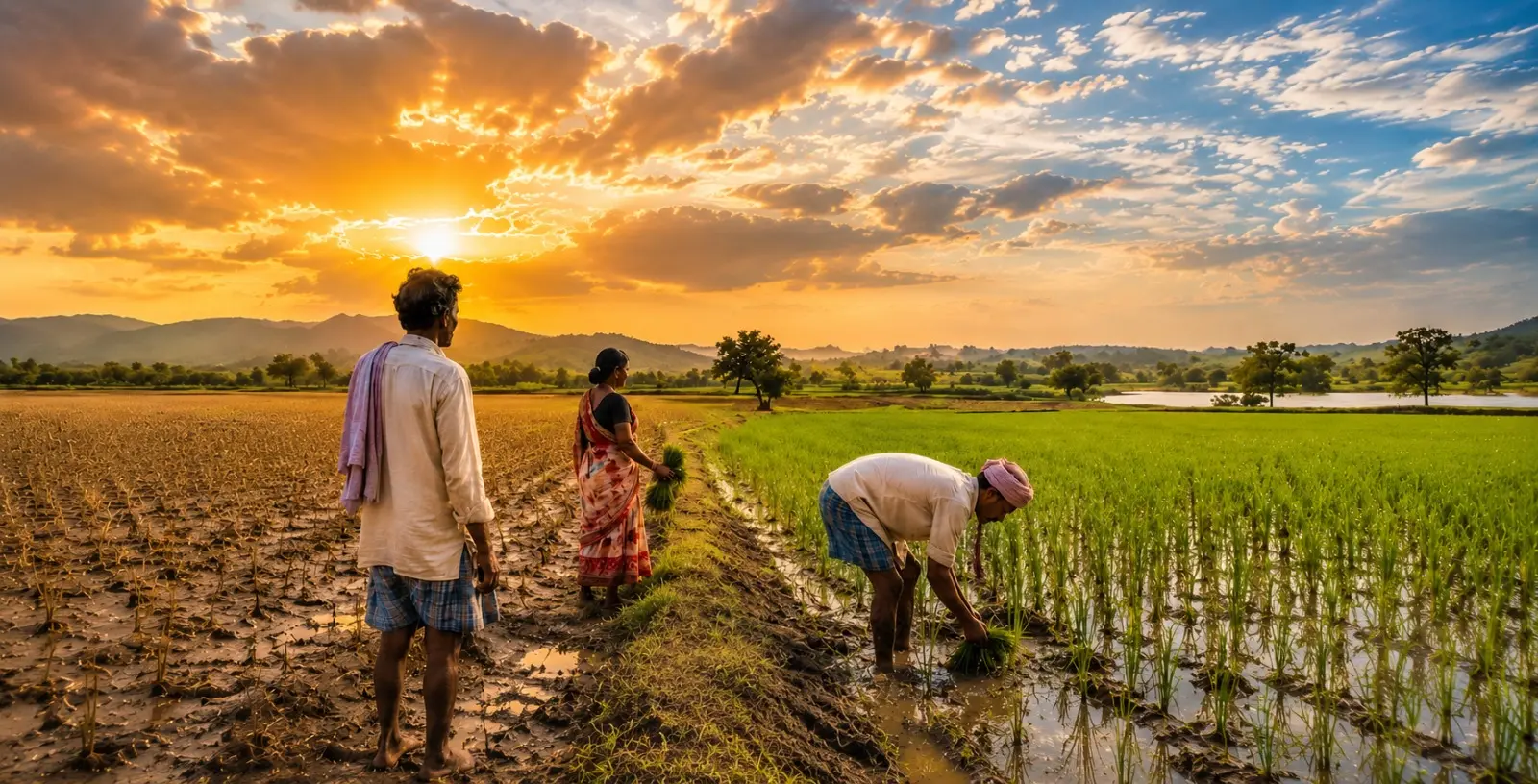
The June 2026 Crisis, in Hindsight
July's Reversal: A Lesson in Monsoon Volatility
But the Recovery Is Uneven and Incomplete
The Real Lesson: Predictability Is the New Productivity Tool
- This is exactly why advance, hyperlocal weather alerts matter more than ever.
- A farmer who knows a dry spell is coming can delay sowing by ten days and save the season.
- Similarly, a farmer who knows rain is arriving can plant into the window instead of missing it.
- The difference between a good and a ruined kharif season increasingly comes down to information, delivered early enough to act on.
Climate-smart agriculture is no longer a long-term sustainability goal. It is this season’s survival strategy. That means
- Hyper-local weather alerts.
- Real-time soil moisture data.
- Crop-stage-specific risk alerts.
- Real-time Crop Health assessment.
- Advanced disease alerts & actionable risk mitigation efforts.
- Water management built around actual reservoir and rainfall trends, not historical assumptions
| Satellite Monitoring | IoT Devices |
|---|---|
| Radar sensors of satellites can penetrate cloud cover and other bad weather conditions to provide usable information | Rain, strong winds, snow, etc., can hamper the operations of IoT devices |
| Satellites can provide information on micro and macro monitoring tasks across geographical locations | IoT devices can only provide field-level views and information on specific agricultural parameters |
| Satellite data can be subscribed to at an affordable subscription fee and accessed from anywhere in the world | High hardware cost of IoT devices and poor connectivity are major limiting factors |
| Satellites being a shared resource accessed via a subscription model reduce the cost of maintenance | Battery life of IoT devices is limited, and they incur repetitive replacement costs |
Where Cropin Fits In
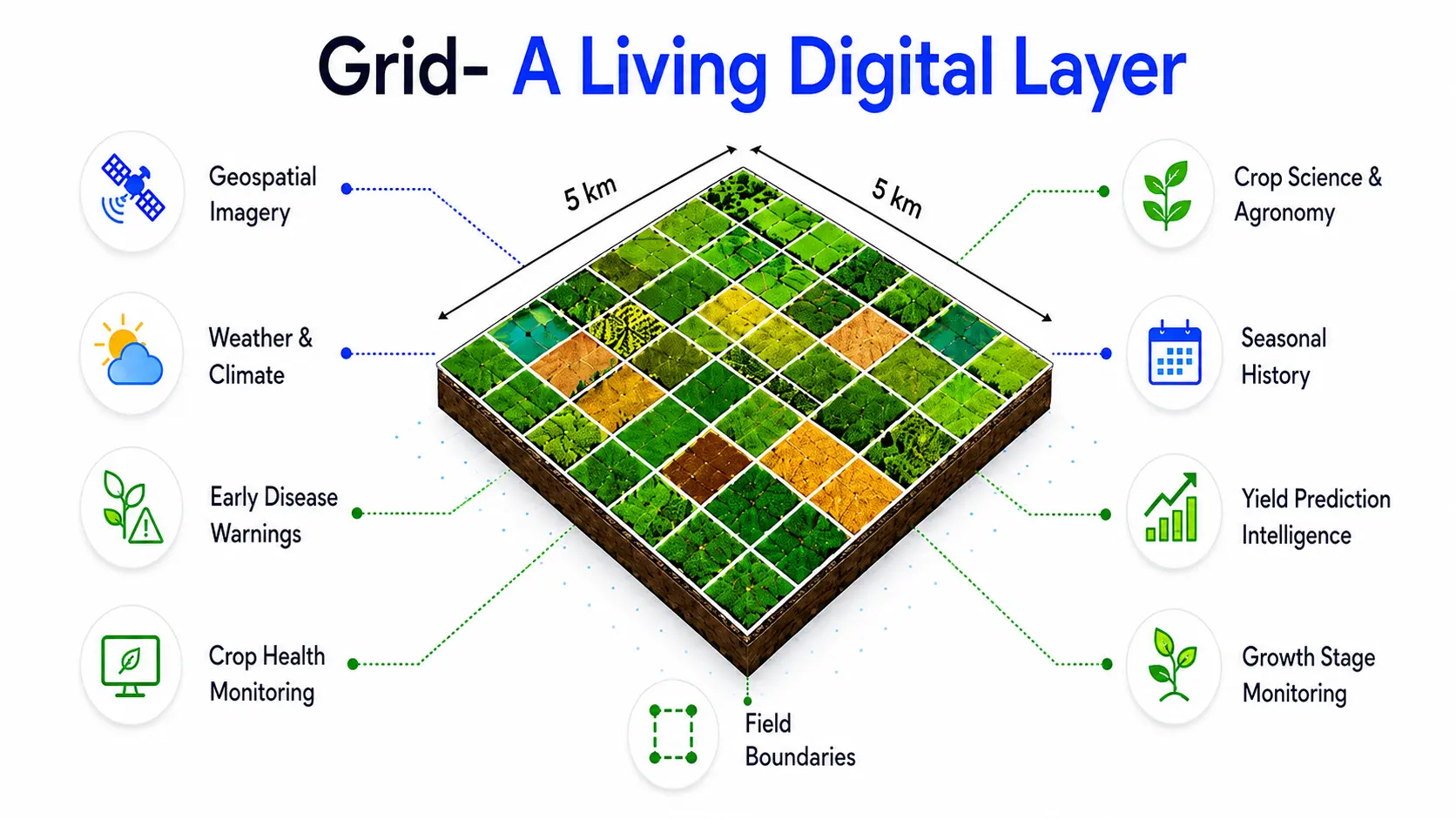
This is precisely the gap Cropin was built to close. Our satellite-based crop monitoring and AI-powered weather intelligence give farmers, agribusinesses, and lenders the same thing the 2026 monsoon just proved everyone needs: early, plot-level warning, not a national average. Cropin tracks rainfall, evapotranspiration, and crop stress continuously, across every financed or monitored plot, and flags risk 10 to 15 days ahead, meaning enough time to act, not just react. As El Niño intensifies into the back half of this season, that lead time is the difference between a managed setback and a lost harvest. This is what climate-resilient agriculture looks like in practice: intelligence that reaches the field before the damage does.
Conclusion: A Season That Isn't Over Yet
Frequently asked questions (FAQs)
How is agentic AI used in precision agriculture?
What data does agentic AI need to work on a farm?
How is agentic AI different from traditional AI in agriculture?
How do multiple AI agents coordinate on a single farm?
Is agentic AI the same as autonomous tractors or farm robots?
Author Bio

Pavithra S
Pavithra S is a Digital Agronomist at Cropin, bridging agronomic wisdom with cutting-edge technology. A post-graduate in Agriculture, she contributes to core initiatives, such as leveraging remote sensing, weather analytics, and weather-based advisory systems to enhance crop productivity and sustainability. Her work includes developing advanced crop intelligence frameworks, such as crop profiling, growth stage mapping, and disease-risk assessment for both agriculture and high-value horticultural crops. By integrating agronomic science with digital innovation, Pavithra ensures Cropin's solutions remain grounded in real-world field realities, creating scalable, impactful tools that support informed decision-making and sustainable growth across the agricultural sector. Her other passion needs no guessing; it is gardening. She also enjoys listening to music.