
Synopsis:
Faced with simultaneous, climate-induced crop failures in Brazil and Vietnam, global commodity traders are abandoning reactive trading in favor of data-driven coffee supply chain risk management. This comprehensive deep-dive explores how deploying platforms like Cropin for advanced farm-level digitization, offers AI-powered yield forecasting, Disease Early Warning Systems (DEWS), and pin code-level weather updates to erase upstream blind spots well in advance. Ultimately, it demonstrates how integrating real-time environmental data allows trade houses to secure volume, mitigate price volatility, and achieve truly sustainable coffee sourcing.
Introduction
Why Global Coffee Supply Chains Are Under Severe Climate Stress
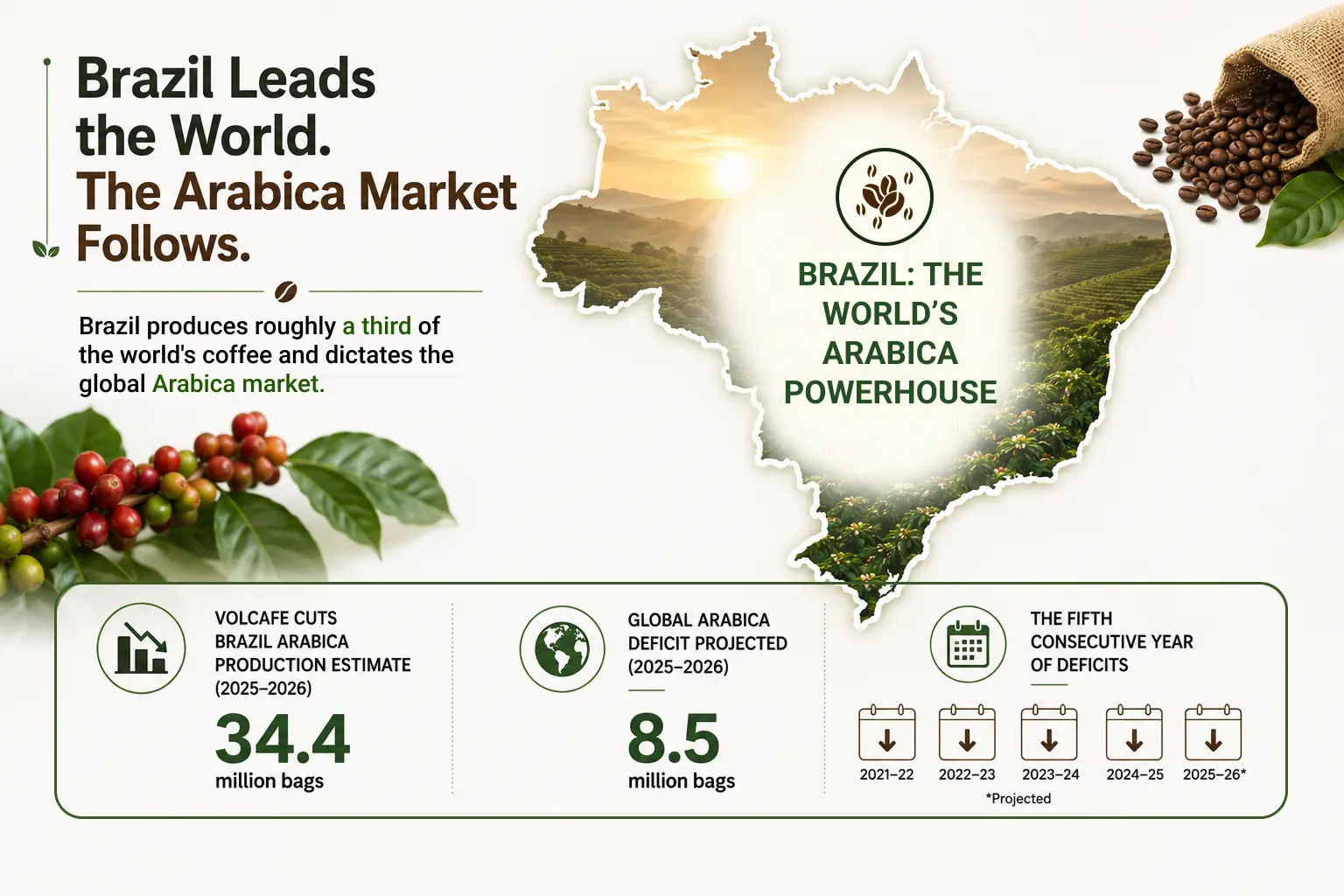
Brazil's Arabica Crisis: How the World's Worst Drought in 70 Years Triggered a Global Price Spike
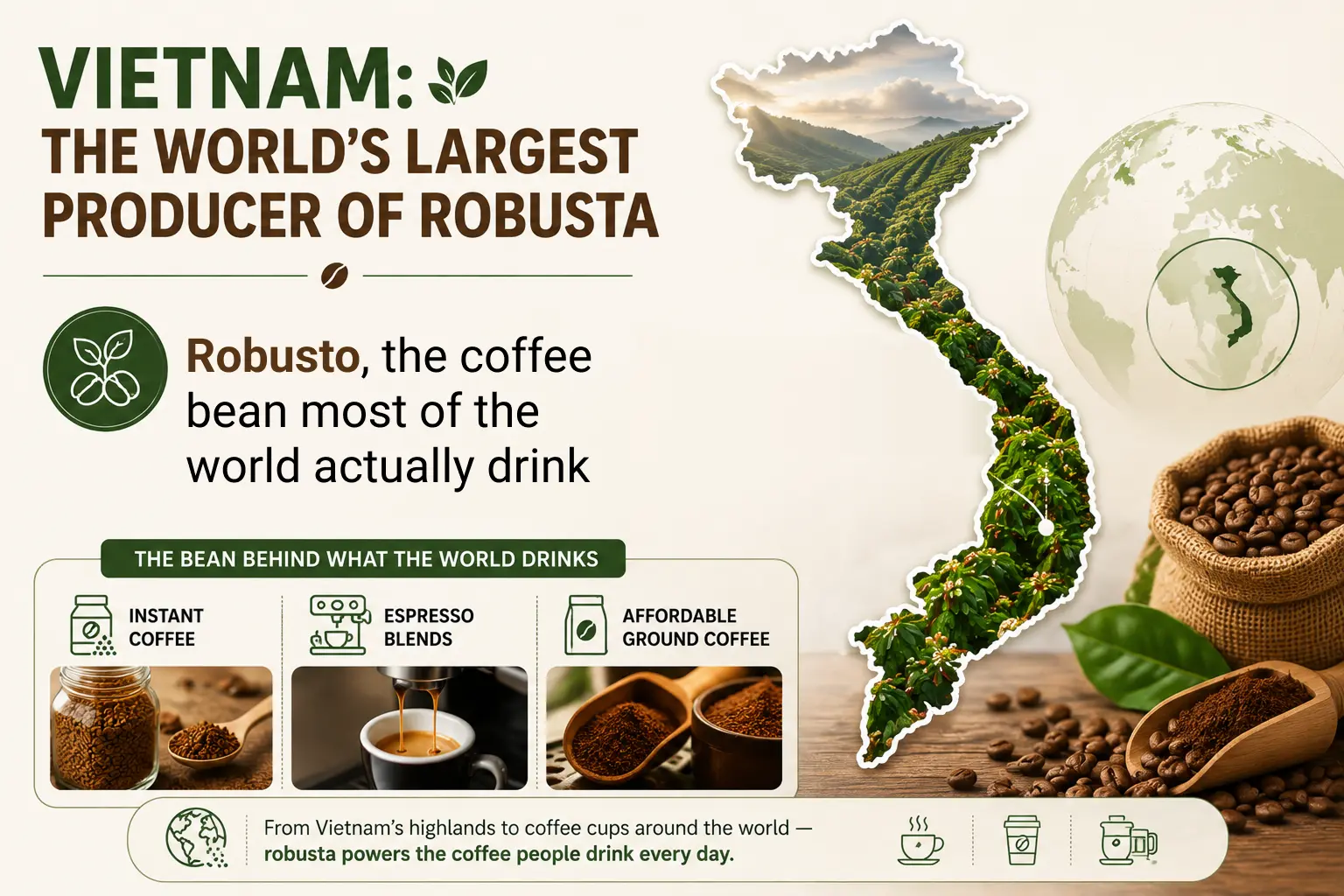
Vietnam's Robusta Collapse: Why a Flooding Crisis 8,000 Miles Away Raised Your Espresso Cost
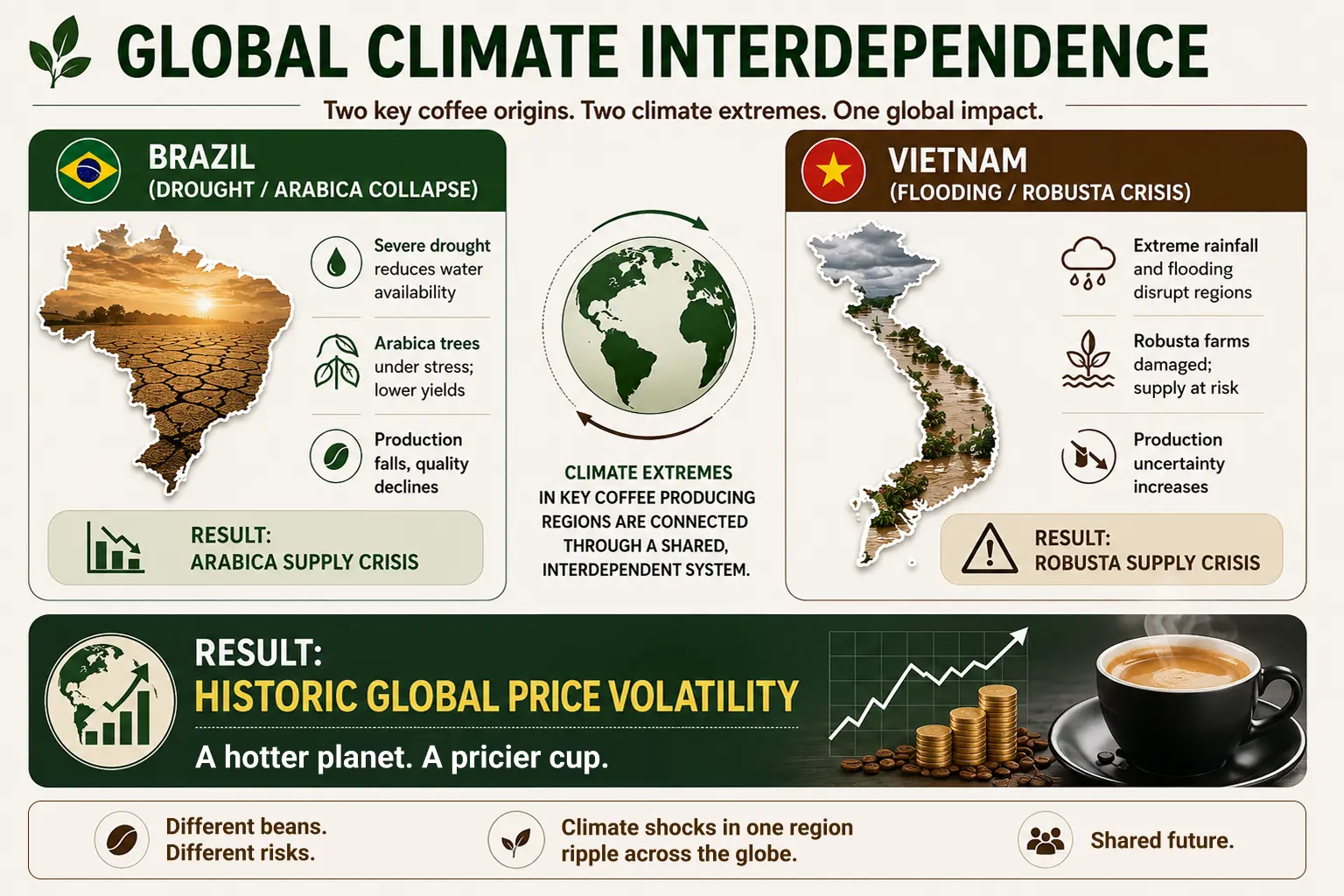
How U.S. Tariffs, Currency Volatility, and Speculative Futures Positioning Compounded the Supply Shock
7 Ways Commodity Traders Are Protecting Against Coffee Price Volatility
- Geographic Diversification: Traders are reducing dependency on any single origin. They are building flexible supply networks across alternative producing nations like Colombia, Ethiopia, and Honduras. Origins with climate risk profiles different from those of Brazil and Vietnam.
- Upstream Direct -Sourcing Integration: By bypassing secondary brokers, traders establish direct relationships with local cooperatives to guarantee physical volume access. They are locking in volumes 12–18 months ahead, rather than 3–6, to reduce exposure to spot market spikes driven by weather events.
- On-the-Ground Agronomic Networks: Trade houses deploy private agronomy teams to manually monitor crop health weeks before official government numbers drop.
- Climate-adjusted Demand Forecasting: Integrating weather data into demand models, rather than relying on historical volume patterns that climate volatility is rapidly making obsolete.
- Traceability Infrastructure: Building farm-level data visibility to understand exactly where volumes come from — because in a tight market, the traders with the clearest picture of supply reality make better decisions faster.
- Predictive Analytics Ingestion: Integrating advanced digital intelligence platforms allows risk desks to model yield anomalies weeks before they manifest on the trading floor. Traders are moving from seasonal crop reports to continuous, satellite-driven intelligence that surfaces yield risks weeks or months before they hit the market, a critical step toward surety of supply.
- Dynamic Hedging and Options Structures: Moving beyond basic futures contracts, trade desks use complex options strategies to cap downside risk while preserving purchasing flexibility.
Supply Chain Digitization: How Technology Is Closing the Visibility Gap in Coffee Procurement
Why Most Coffee Supply Chains Still Have a Serious Visibility Problem
AgTech Platforms Transforming Coffee Supply Chain Risk Intelligence
How Cropin's AI-Powered Yield Forecasting Gives Coffee Traders Early Warning
Cropin's Disease Early Warning System (DEWS)
Coffee leaf rust, berry borer, and other diseases can devastate production — and they move faster than conventional scouting can detect. To put this into perspective, fungal outbreaks like Coffee Leaf Rust (Hemileia vastatrix) can destroy entire microclimates in weeks. Cropin’s Disease Early Warning System (DEWS) uses predictive models to identify when environmental conditions, such as specific temperature baselines and humidity levels, are favorable for a disease outbreak at a specific crop growth stage.
From Reactive to Predictive: How Cropin's Regional Intelligence Replaces Pattern Sourcing with Real-Time Climate Risk Data
Cropin’s regional intelligence shifts the trade from reliance on historical patterns to real-time risk mitigation. By monitoring soil moisture depletion, canopy temperature, and microclimate stress anomalies across entire countries, traders can proactively spot when a reliable sourcing zone is entering an environmental crisis, allowing them to shift procurement strategies.
Cropin Ecosystem Partners: How Google Cloud, BCG and The Weather Company Are Building the Intelligent Coffee Supply Chain
- Google Cloud, which provides AI infrastructure, including generative and agentic AI for forecasting
- Boston Consulting Group (BCG), which handles strategy and links technology investment to business outcomes such as supply certainty
- Climate intelligence providers, including The Weather Company, Meteomatics, Google Weather, and ERA5, to deliver hyper-local climate data for risk modeling
- Satellite and ground-truth data come from Planet Labs, Sentinel-2, Landsat/NASA, and MODIS, combined with field-level intelligence, to deliver precise crop monitoring and predictive insights.
For a commodity trader sourcing coffee across multiple origins, this ecosystem delivers a single, integrated intelligence layer that connects climate forecasts, satellite crop monitoring, disease risk signals, and yield projections into a decision-support system that operates continuously, not seasonally. Enterprises can deploy and see impact in less than six months, drastically faster than building all components from scratch. The coffee supply chain has never had access to this level of integrated, forward-looking intelligence before.
Conclusion: The Era of Informed Trade
Frequently asked questions (FAQs)
What is coffee supply chain risk management?
It is the strategic practice of identifying, analyzing, and mitigating physical, financial, and regulatory risks within the coffee value chain. This involves using financial hedging, sourcing diversification, and digital monitoring tools to protect against price volatility, crop failures, and delivery delays.
Why is the coffee supply chain uniquely vulnerable to climate change?
How does supply chain digitization improve coffee traceability?
How can AI platforms forecast coffee yields before harvest?
AI platforms like Cropin ingest real-time and historical datasets, including multi-spectral satellite indices, soil moisture levels, and advanced weather forecasts. Deep-learning algorithms analyze these data points against specific crop growth stages to generate precise yield forecasts weeks before harvesting operations begin.
What is a Disease Early Warning System (DEWS) in coffee farming?
Author Bio
Haripriya Muralidharan
Haripriya Muralidharan leads content marketing at Cropin Technology Solutions, bringing a unique scientific rigor to brand storytelling. With a Master's in Chemistry from Pune University and research experience in cancer immunology, she discovered her passion in storytelling. For two decades, she has operated at the intersection of content, communication, and brand strategy, specializing in turning complex ideas into impactful narratives. Prior to Cropin, Haripriya leveraged her creative skills at Elsevier’s Chemical Business News Base and shaped multi-format content strategies for B2B marketing at Scatter.