

Crop Knowledge Grid

From seed to factory: consistent, high-yield, high-protein corn; AI-powered & climate-smart

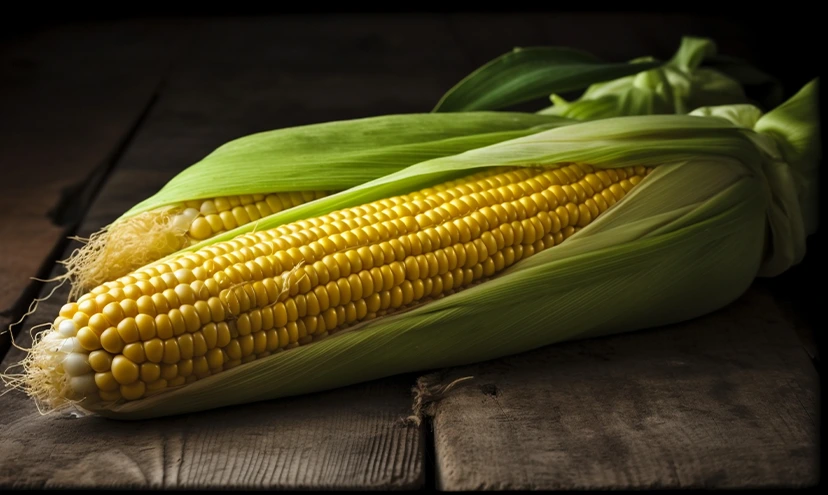
From sweet corn for human consumption to dent corn for livestock feed and industrial products, maize is incredibly versatile, with thousands of varieties adapted to diverse climates and uses.

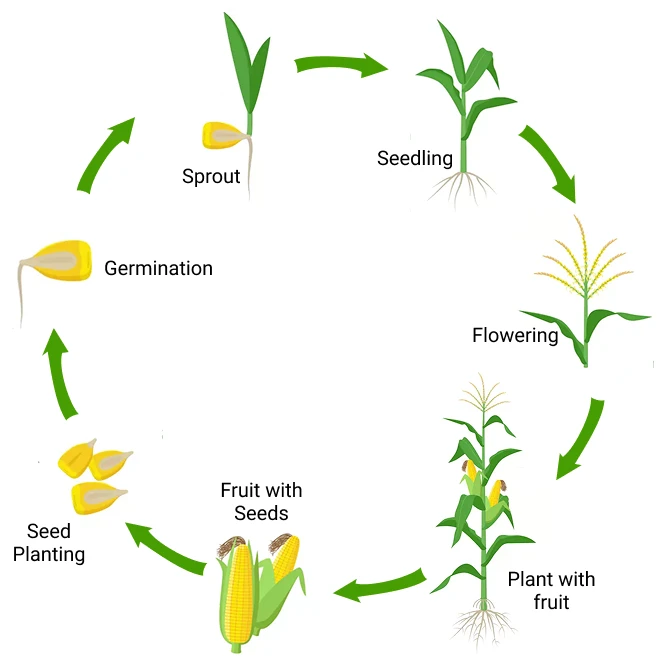
maize-life-cycle

Major challenges

Maize cultivation is highly susceptible to climate change impacts, including drought, heat stress, and erratic rainfall, which severely affect yields. It also faces significant threats from pests & diseases.

MAIZE

Enable efficient farm operations through satellite imaging

Real-world deployments

25,16,445.89

Acres digitized by Cropin

Efficient farm operations for increased productivity

Acres Digitized

233 M

Acres Digitized

501 M More than Half of 501 M Acres of Corn Digitized

501 M

More than Half of 501 M Acres of Corn Digitized

3 Years Easily monitor more than 3 years of crop data
3 Years

Easily monitor more than 3 years of crop data

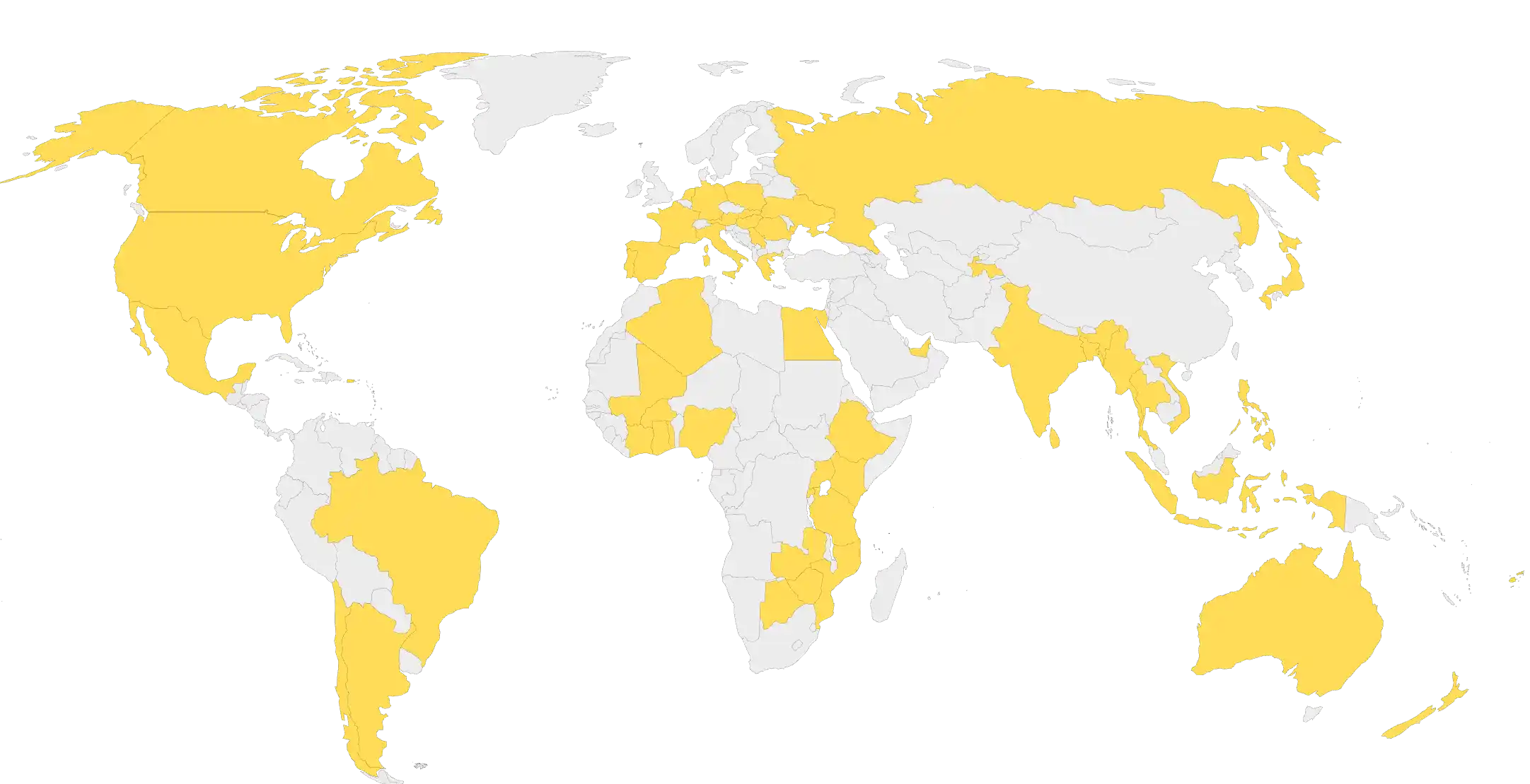
Global presence

Maize is the most produced cereal crop in the world in terms of total annual production volume, which exceeds 1 billion tonnes yearly.
Corn-grid
India

India

Tajikistan

Tajikistan

UAE

UAE

Bangladesh

Bangladesh

Indonesia

Indonesia

Myanmar

Myanmar

Philippines

Philippines

Vietnam

Vietnam

Thailand

Thailand

France

France

Italy

Italy

Austria

Austria

Hungary

Hungary

Serbia

Serbia

Romania

Romania

Germany

Germany

Poland

Poland

Ukraine

Ukraine

Andorra

Andorra

Netherlands

Netherlands

Portugal

Portugal

Algeria

Algeria

Spain

Spain

Canada

Canada

Mexico

Mexico

Argentina

Argentina

Chile

Chile

Brazil

Brazil

Anguilla

Anguilla

Aruba

Aruba

USA

USA

USA

USA

Bahamas

Bahamas

Australia

Australia

New Zealand

New Zealand

Kenya

Kenya

Ethiopia

Ethiopia

Nigeria

Nigeria

Mali

Mali

Burkina Faso

Burkina Faso

Ghana

Ghana

Togo

Togo

Tanzania

Tanzania

Rwanda

Rwanda

Uganda

Uganda

Mozambique

Mozambique

Zambia

Zambia

Zimbabwe

Zimbabwe

Botswana

Botswana

Egypt

Egypt

Turkey

Turkey

Greece

Greece

Georgia

Georgia

Azerbaijan

Azerbaijan

Albania

Albania

Japan

Japan

Russia

Russia

locations:

Corn-grid

We bring intelligence. You grow with confidence.

Hazelnut, Pineapple and 400+ More…

Other resources

Unlock smarter crop cultivation with Cropin. Make your food production, sourcing, and supply predictable, profitable, and sustainable.

Frequently asked questions

How does Cropin use satellite imagery to monitor maize farms, and what can it detect remotely?
Cropin uses AI-powered satellite imagery and geospatial analytics to monitor maize farms remotely. The system analyzes vegetation indices and crop intelligence signals to track crop stage progression, canopy health, crop vigor, and field variability. This allows stakeholders to detect early signs of crop stress, uneven growth, and potential disease risks without requiring physical field inspections.
Cropin’s AI models integrate weather data, satellite data, and predictive analytics to monitor environmental conditions that affect maize crops. By analyzing temperature trends, rainfall patterns, and moisture indicators, the system can identify early signs of drought stress, heat stress, or the risk of excessive rainfall. These insights enable farmers and agribusinesses to adjust irrigation, crop protection, and farm operations to minimize climate-related crop losses. Cropin’s granular insights empower development agencies, policymakers, and governments in Holistic Policy Formulation, Budget & Resource Allocation, and Partnerships.
Cropin’s Disease Early Warning System (DEWS) model overlays weather data, historical data, and crop conditions to identify risks for several maize diseases, including: Alternaria leaf blight, Leaf rust, Anthracnose, and Bacterial leaf spot. By predicting the probability of disease risk before visible symptoms spread, the system helps farmers take timely crop protection measures.
Cropin has deployed its maize crop intelligence solutions across multiple major maize-producing regions worldwide, supporting agribusinesses, processors, and food companies with farm monitoring and predictive insights. These deployments cover thousands of farms and large cultivation areas, enabling data-driven management of maize supply chains across continents.
Cropin estimates the optimal harvest window by analyzing satellite imagery, proprietary crop knowledge grid, crop growth models, and weather forecasts. The system evaluates factors such as crop maturity stage, moisture levels, temperature trends, and expected weather conditions. By combining these variables, the platform predicts the most suitable time for harvest to maximize grain quality and minimize post-harvest losses.
Advanced yield estimates generated by Cropin’s predictive models provide early visibility into expected maize production. Agribusinesses and processors use these insights to plan procurement strategies, manage storage capacity, optimize logistics, and forecast supply for downstream operations such as feed production, food processing, and biofuel manufacturing.
Yes. Cropin analyzes climate patterns, soil conditions, and historical crop data to identify regions suitable for potato cultivation. In real-world deployments, the platform has helped organizations discover high-potential growing areas and expand cultivation zones to secure a consistent potato supply.
Yes. By tracking regenerative practices like “No-Till” farming and cover cropping, Cropin provides the data foundation needed to quantify carbon sequestration. This enables corn farmers to participate in carbon credit programs and helps CPG companies meet their “Net Zero” commitments.

Intelligent crop cultivation starts here.

Empower your crop yield and supply with real-time data-driven insights with Cropin solutions
Scroll to Top
?
?
?