Crop Knowledge Grid
From data to bean: resilient, high-protein, high-oil soybeans, consistent by design
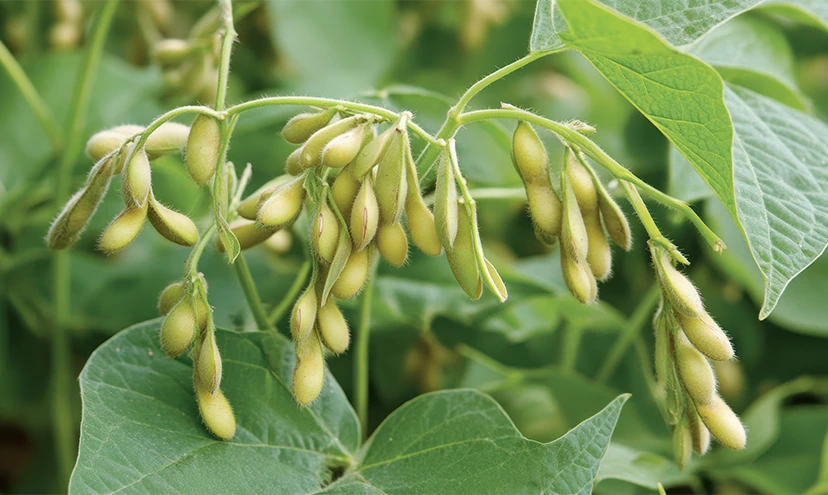
Soybean, native to East Asia, is a unique crop among major crops with exceptionally high protein content (around 36% of dry weight), making it a crucial plant-based protein source, and significant oil content (around 20), making it the most important oilseed crop globally.
Major challenges
Major challenges in soybean cultivation are pest and disease pressure; climate variability and extreme weather; weed management and herbicide resistance.
Empower soybean cultivation and sourcing with a powerful digital solution
- Register a farm with crop type, hectarage, and sowing information
- Manage farm activities for timely completion of operations
- Reduce any delay in crop activities with real-time alerts
- Monitor organic and conventional farmers in one platform
Real-world deployments
16,492.96
Acres digitized on Cropin platform
- Crop yield
- Crop stage
- Crop progression
- Harvest window estimation
- Crop health indicators
- Irrigation advisories
- DEWS
- Yellow mosaic
- Alternaria leaf spot
- Soybean rust
Empowering an American multinational commodities trading corporation with digital solution for Soyabean sourcing
- Managed 2500+ soybean farmers
- 100% digitisation of soybean value chain
- Farmers receive real-time alerts and reports for corrective actions
- Engaged farmers by sending them real-time notifications/SMS on weather and best practices advisories

1.3 Mn
Acres of farm operations digitized

2500+
Soybean farmers engagement
100%
Digitization of soybean value chains

91 Mn
Acres digitized on the Cropin platform
Global presence
Soybean is the world’s leading source of vegetable oil and the most important global protein meal. It is one of the most heavily traded agricultural commodities globally, with major producers like Brazil, the USA, and Argentina exporting vast quantities.
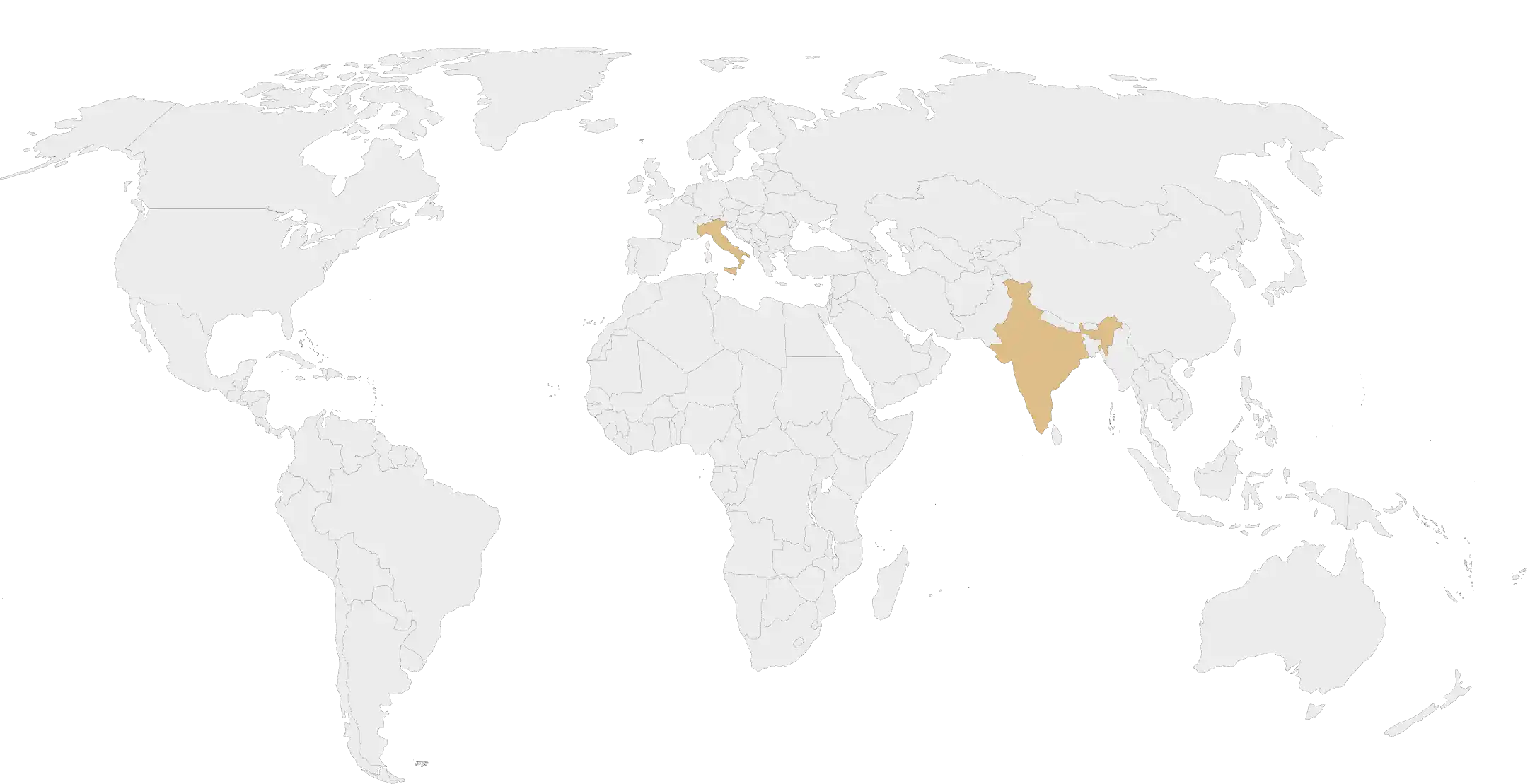
India
India
Italy
Italy
locations:
- India
- Italy
Other resources
Unlock smarter crop cultivation with Cropin. Make your food production, sourcing, and supply predictable, profitable, and sustainable.
Explore the digital revolution AGRA is bringing to Africa with Cropin - empowering farmers in their battle against unpredictable...
Frequently asked questions
What diseases does Cropin's DEWS monitor in soybean crops, and what makes them particularly dangerous?
Cropin Disease Early Warning System (DEWS) tracks many diseases like Yellow Mosaic, Alternaria Leaf Spot, and Soybean Rust. These diseases spread fast, reduce leaf area, weaken plants, and lower yields. Timely alerts allow farmers to act quickly, preventing severe damage and protecting both crop quantity and quality.
How does Cropin help soybean farmers and agribusinesses respond faster to time-sensitive crop operations?
Cropin digitizes farm activities, tracks operations, and sends real-time alerts on weather, pests, and diseases. Centralized records and actionable insights allow farmers and agribusinesses to plan and execute critical operations promptly, improving efficiency and minimizing crop losses.
How does Cropin support commodity traders sourcing soybeans from thousands of farmers across large geographies?
Cropin offers real-time visibility into crop health, yield forecasts, and farm-level data across large geographies. Commodity traders gain supply chain traceability, can plan procurement effectively, and engage with farmers directly, ensuring reliable sourcing while reducing risks and inefficiencies.
Why is soybean considered the world's most important oilseed crop, and how does Cropin help protect its dual value?
Soybean provides both vegetable oil and high-protein meal, crucial for food and feed. Cropin safeguards yield and quality through disease alerts, real-time monitoring, and digitized farm management, helping farmers and agribusinesses maximize productivity and protect soybeans’ dual economic value.
How does Cropin impact the soybean value chain in the EU and Latin America?
In major markets like the EU and LATAM, Cropin provides a unified intelligence layer to manage large-scale soybean estates. By integrating high-resolution satellite imagery with AI-driven growth models, the platform helps enterprises monitor crop health, predict harvest volumes, and ensure that sustainable practices are maintained across vast, fragmented geographies.
How does the "Germination Intelligence Layer" benefit soybean producers?
Soybeans are highly sensitive to soil crusting and early moisture levels. Cropin’s Germination Layer identifies patchy emergence within the first 15–20 days. This allows agronomists to recommend early-season corrections or re-sowing while the moisture window is still open, protecting the final plant population.
How does AI manage soybean pests like the "Soybean Looper" or "Rust"?
Cropin’s Disease Early Warning System (DEWS) monitors hyperlocal humidity and temperature triggers and overlays them with historical data. Predicting the probability of fungal outbreaks (like Asian Soybean Rust) up to 10 days in advance, it allows for preventive spraying, which saves harvest and is significantly more cost-effective than attempting to cure a full-blown infestation.
Can Cropin help in monitoring "Deforestation Compliance" for soybean exports?
Yes. With global regulations like the EUDR (EU Deforestation Regulation) becoming mandatory, Cropin uses satellite data to verify that soybean plots have not been established on deforested land. This provides the audit-ready evidence required for the “Green Pass” into premium global markets.
Intelligent crop cultivation starts here
Empower your crop yield and supply with real-time data-driven insights with Cropin solutions